Here’s the thing: establishing proper industrial storage humidity guidelines isn’t just about preventing dramatic losses. It’s about understanding that humidity control is as critical as temperature management—especially in India’s challenging climate where ambient RH routinely exceeds 80-90% during monsoon months in cities like Mumbai and Kolkata.
Let’s establish the critical RH thresholds you need to protect your inventory, maintain product quality, and sleep better during monsoon season.
Understanding What Relative Humidity Really Means for Your Storage
Before we dive into the numbers, let’s get crystal clear on what we’re measuring. Relative humidity is the amount of moisture in the air compared to the maximum amount that air can hold at a given temperature, expressed as a percentage.
Why does this matter for your warehouse? Because RH directly determines whether moisture will condense on your products, whether mold spores will germinate, and whether your packaging will maintain its integrity. Unlike temperature, which you can feel, humidity damage happens invisibly until it’s too late.
The challenge in India is particularly acute. Our tropical and subtropical climate means that for several months each year, you’re fighting against nature itself. Industry research confirms that Indian cold chains and warehouses lose significant stored value to moisture-related spoilage, particularly during those brutal monsoon weeks when outdoor RH stays above 80% for days on end.
Optimal RH Levels for Different Industrial Storage Needs in India
Not all warehouses are created equal, and neither are their humidity requirements. What works for storing textiles will destroy electronics. What’s perfect for fresh produce will ruin pharmaceutical powders.
Let’s break down the ideal humidity level for warehouse storage in India by category:
Pharmaceutical Storage (The Strictest Standards)
When it comes to pharma, there’s no room for guesswork. WHO and ICH guidelines specifically designed for India’s hot and humid climate (Zones III and IV) recommend maintaining pharmaceutical storage at 30°C with 65% RH for long-term stability, with some products requiring even more stringent conditions at 75% RH maximum.
For practical warehouse operations handling finished pharmaceutical products, aim for 45-60% RH. Active pharmaceutical ingredients (APIs) and sensitive formulations often need the lower end of that range—closer to 40-50% RH with tight temperature control.
Food Storage (It Depends on the Product)
Here’s where it gets interesting. Fresh produce actually needs high humidity—typically 85-95% RH—to prevent dehydration and weight loss. But cross the aisle to your dry goods section, and those same levels would be catastrophic.
For packaged dry foods, snacks, and processed items, you’re looking at 35-45% RH at 25-27°C. This range prevents loss of crispness, clumping, and microbial growth in snack foods—critical for maintaining that satisfying crunch consumers expect.
Frozen storage operates differently, typically requiring 30-50% RH to limit frost formation and surface damage, though some facilities run slightly higher depending on their design and product mix.
Electronics, Metal Parts, and Precision Components
If you’re storing anything with circuit boards, metal components, or precision instruments, your target is below 40% RH—and for high-value electronics, even lower. Preservation specialists recommend keeping RH below 40% to avoid bacterial growth and mold issues that can compromise sensitive equipment.
Metal parts and components prone to corrosion need similar protection, with some particularly reactive metals requiring conditions below 20% RH for long-term storage.
Textiles, Paper, and Organic Materials
For warehouses handling textiles, documents, or wood products, the sweet spot is 40-55% RH. Too low, and organic materials become brittle. Too high, and you’re inviting mold, warping, and degradation.
The India-Specific Challenge
Notice how most of these ranges fall well below the 80-90% ambient humidity common during Indian monsoons? That’s not a coincidence—it’s why warehouse humidity control in India requires active intervention, not just passive ventilation.
The Damaging Effects of Exceeding Humidity Thresholds
Let’s talk about what happens when you ignore these guidelines. Because understanding the “why” behind the numbers makes it easier to justify the investment in proper controls.
The Danger Zones: A Practical Framework
Think of humidity in bands, each with escalating risks:
Below 40% RH – The Safe Zone (for most non-perishables)
This is your target for electronics, metals, and dry goods. At these levels, microbial growth is minimal, corrosion is slow, and most packaging materials remain stable.
40-60% RH – The Goldilocks Zone
Perfect for general warehousing, pharmaceutical products, and most manufactured goods. You’re balancing preservation with energy efficiency. Most problems won’t develop here—if you maintain stability.
60-70% RH – The Warning Zone
Here’s where things start going wrong. You’ll see early signs: slight condensation during temperature fluctuations, packaging that feels slightly damp, the first whispers of musty odors. For pharmaceutical storage validation, maintaining RH within ±5% of your target becomes critical in this range, as deviations can trigger stability concerns.
Above 70% RH – The Red Zone
This is where Indian warehouses without active dehumidification often land during monsoons. At these levels, especially combined with typical warehouse temperatures of 25-30°C, you’re creating perfect conditions for:
- Rapid mold growth – Spores that were dormant suddenly have everything they need
- Accelerated corrosion – Metal parts and machinery develop rust within days, not months
- Packaging failure – Cardboard loses structural integrity, labels peel, adhesives fail
- Product degradation – Pharmaceutical actives break down, food products spoil, electronics fail
The Real Cost of High Humidity
Imagine the cost of:
- Spoiled food products (clumping, mold, packaging failure)
- Corroded electronics and returned goods
- Damaged packaging requiring reboxing
- Immeasurable reputation damage with retail partners
The truth is, you can’t see humidity damage happening. There’s no dramatic moment when everything goes wrong. It’s the condensation that forms overnight. The mold spore that germinates in a corner. The slow oxidation of metal parts. By the time you notice, the damage is done.
How to Maintain Proper Humidity Control in Your Warehouse
Knowing the thresholds is one thing. Actually maintaining them in India’s challenging climate? That requires a systematic approach.
Start with Accurate, Continuous Monitoring
You can’t manage what you don’t measure. The first step in learning how to maintain proper humidity in warehouse operations is installing proper monitoring equipment:
- Digital hygrometers with data logging: Place sensors in multiple zones, especially in corners, near doors, and in areas with poor air circulation. For GMP-compliant pharma storage, you’ll need calibrated devices with ±3% RH accuracy.
- Real-time alerts: Set up notifications when RH exceeds your thresholds. That 6 AM panic call from your manager? It should never happen because you got an alert at 11 PM when RH first hit 65%.
- Mapping exercises: Professional storage facilities conduct semi-annual humidity mapping during the coldest and hottest periods, identifying hot spots and dead zones where humidity accumulates.
Practical Daily Maintenance Tips
For immediate implementation, start with these basics:
- Seal the envelope: Check dock doors, windows, and wall penetrations. Every gap is an invitation for humid outside air, especially during monsoons.
- Control air exchange: Limit door openings during peak humidity hours (early morning and evening during monsoons). Use air curtains at loading docks to create a barrier.
- Improve air circulation: Stagnant air creates local humidity pockets. Use circulation fans to maintain consistent conditions throughout your space.
- Strategic ventilation: On days when outside RH is lower than inside (rare during monsoons but common in dry seasons), ventilate aggressively. When outside RH is higher, seal everything tight.
- Temperature management: Remember, RH is temperature-dependent. If you cool a space without removing moisture, RH will rise. Coordinate your HVAC and dehumidification strategies.
Advanced Strategies for Large Operations
If you’re managing a larger facility or handling high-value inventory, consider these approaches:
Zoning for Different Requirements: Don’t try to maintain one RH level across your entire warehouse. Modern facilities use zoning to maintain different humidity levels for different product categories—low RH for electronics, moderate for general goods, higher for fresh produce.
Monsoon-Specific Protocols: Develop a seasonal playbook. When the monsoon forecast shows sustained rain, pre-condition your warehouse to 5-10% RH below normal targets. This buffer gives you headroom when humid air inevitably infiltrates during loading operations.
Loading Dock Procedures: This is where most humidity problems enter. Implement rapid loading protocols during monsoons, use dehumidified staging areas, and consider portable dehumidifiers for dock zones.
Implementing Effective Warehouse Dehumidification Systems for Lasting Preservation
Here’s where we shift from fighting humidity to systematically controlling it. Because while monitoring and best practices help, you can’t manually maintain 45% RH in Mumbai during July monsoons without mechanical dehumidification.
Understanding Your Dehumidification Options
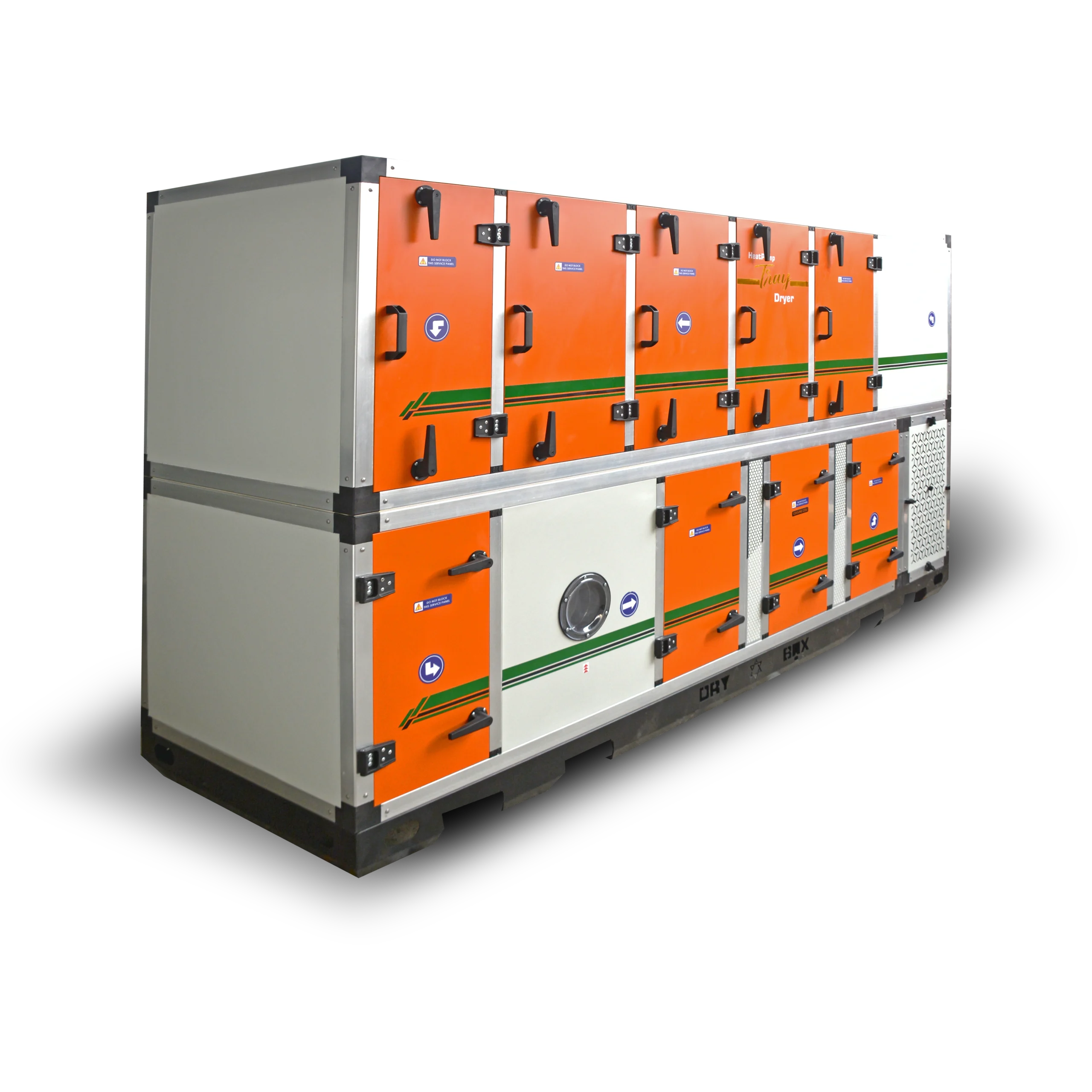
Two main technologies dominate industrial dehumidification, each with distinct advantages for Indian conditions:
Refrigerant Dehumidifiers work like air conditioners, cooling air below its dew point to condense moisture, then reheating it. They’re:
– Energy-efficient in moderate humidity (60-75% RH)
– More affordable upfront for smaller spaces
– Less effective when RH exceeds 80% or temperatures drop below 18°C
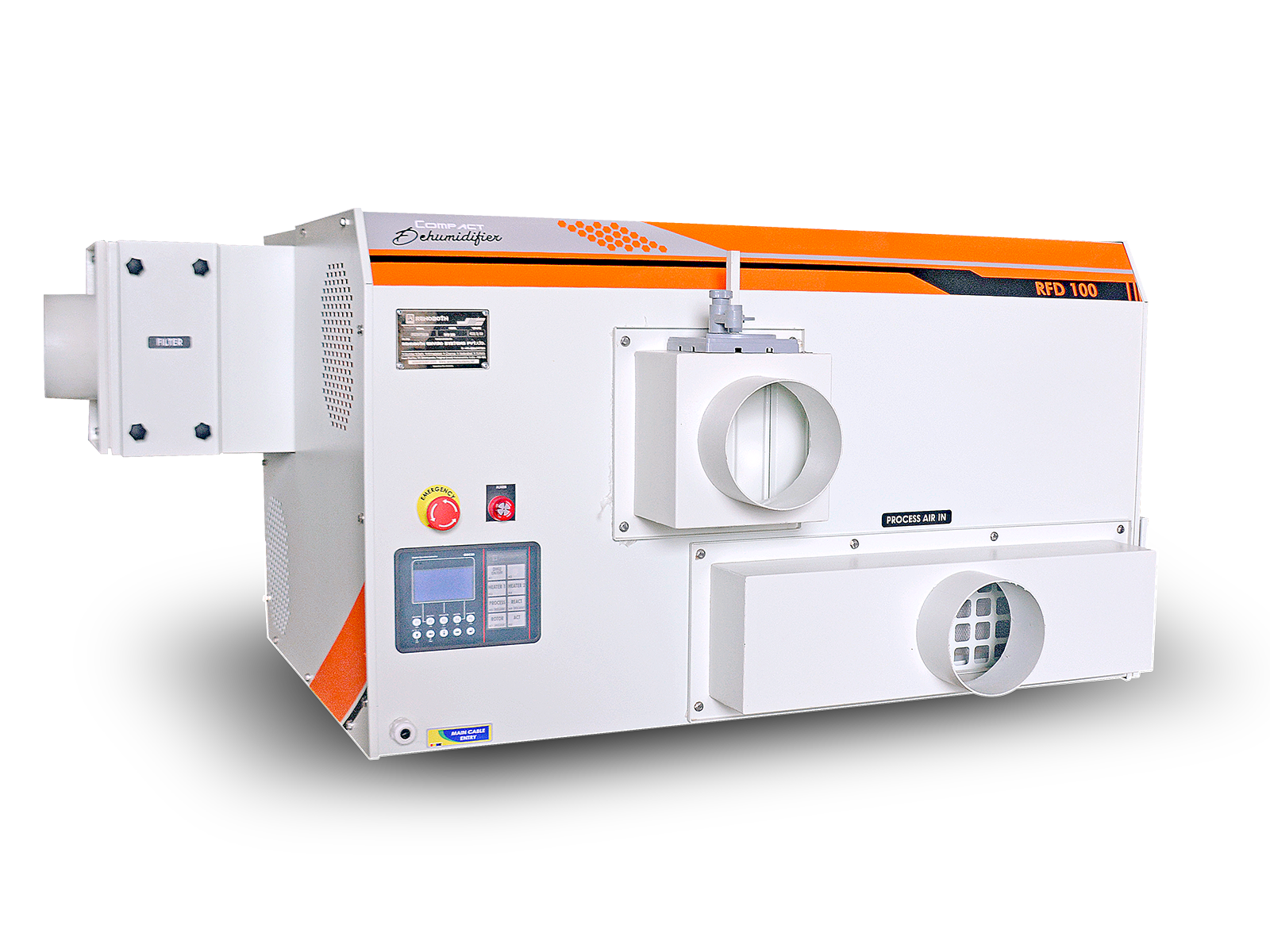
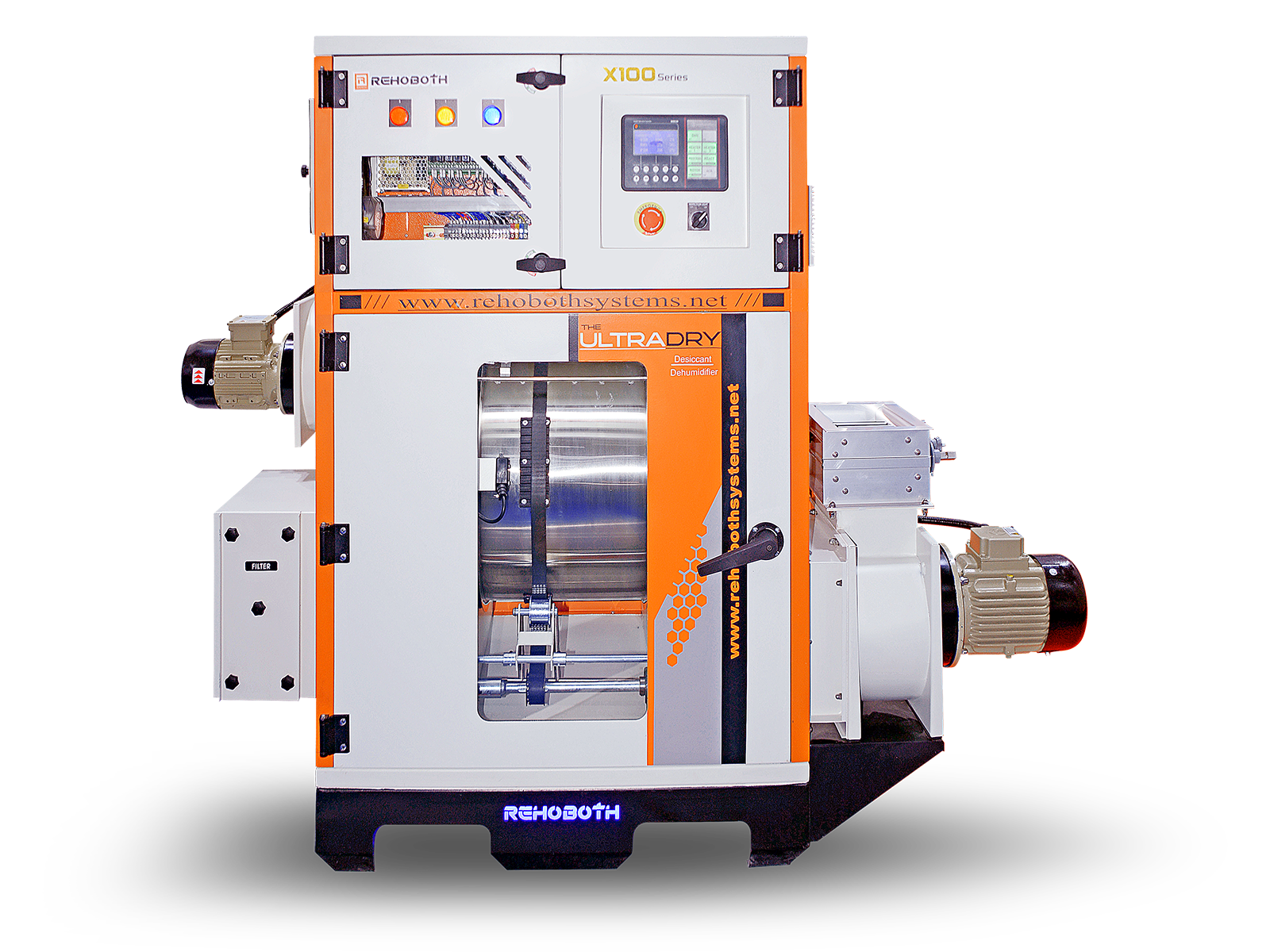
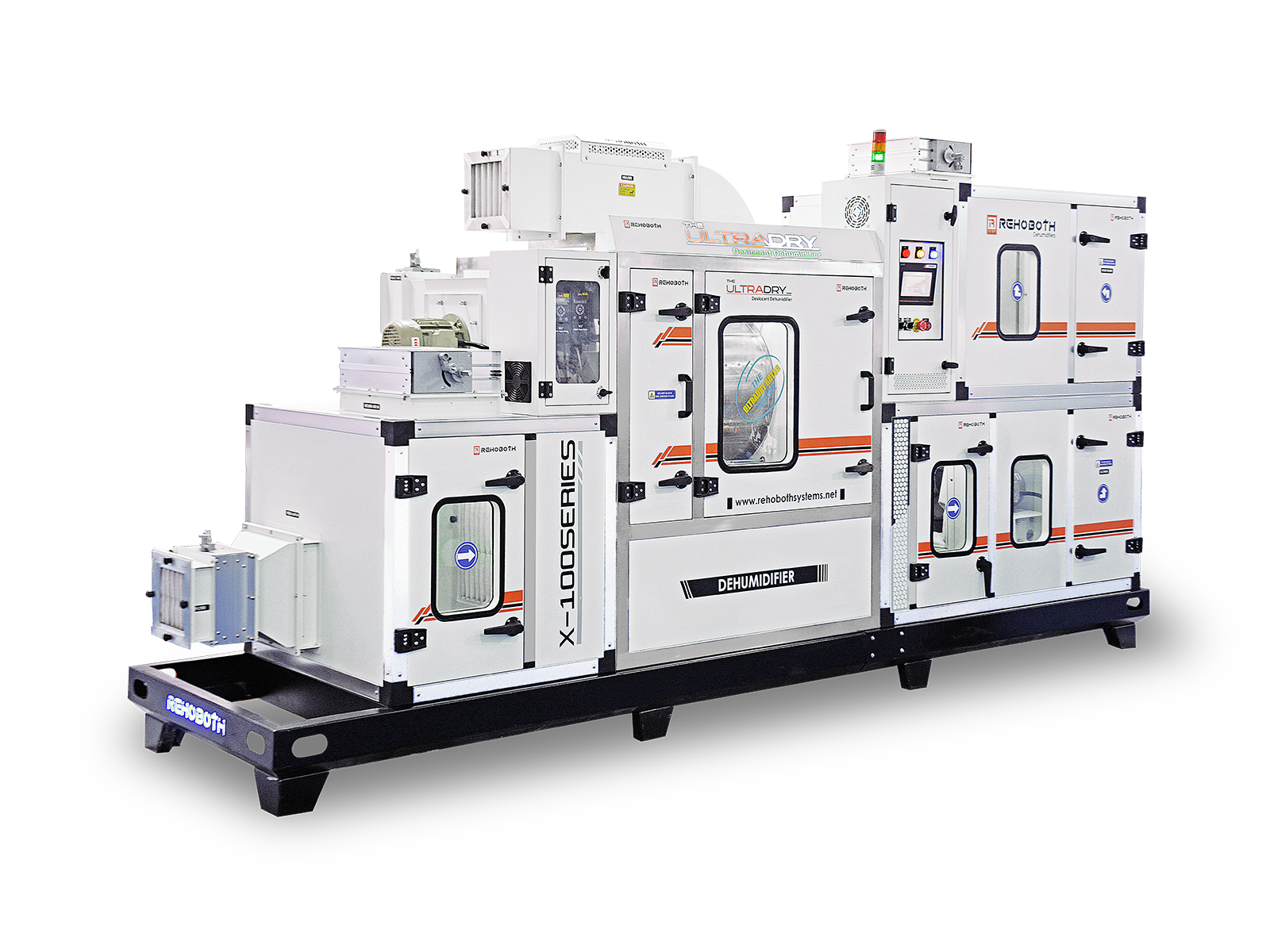
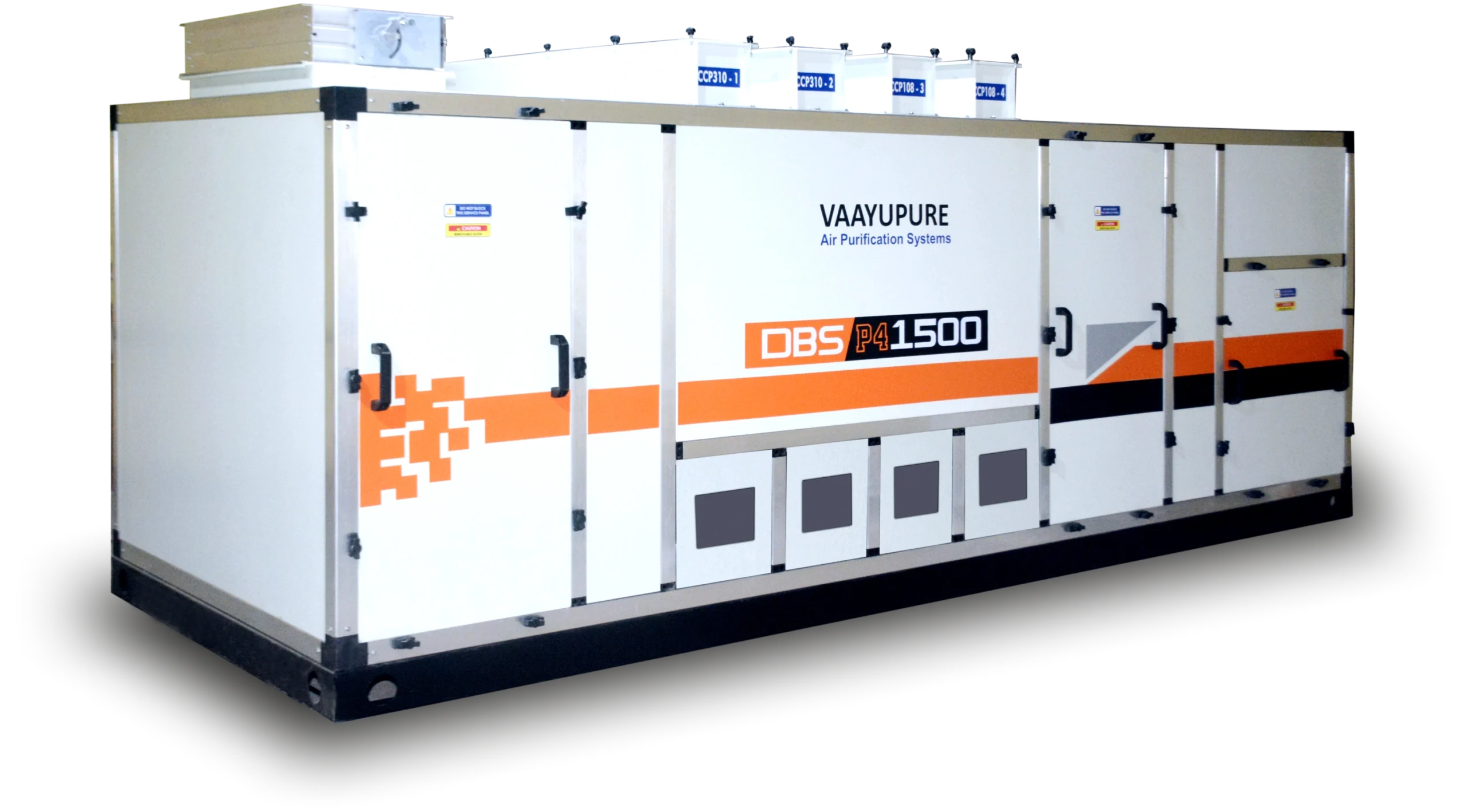
Desiccant Dehumidifiers use moisture-absorbing materials (typically silica gel) in a rotating wheel, regenerated by heat. They excel at:
– Very high humidity conditions (above 75% RH)—perfect for Indian monsoons
– Low-temperature environments
– Achieving very low RH levels (below 40%) for electronics/pharma
– Operating in hot, humid conditions where refrigerant systems struggle
For most Indian warehouse applications handling pharmaceuticals, electronics, or dry foods, desiccant systems offer superior performance during the critical monsoon months when you need them most.
Sizing and Selection for Indian Conditions
Here’s a rough framework for a 5,000 square foot warehouse in a humid Indian city:
- Moisture load calculation: Account for infiltration during door openings, product moisture release, and ambient conditions. During peak monsoon, expect to remove 50-150 liters per day depending on your operation.
- Capacity with headroom: Size for 120-130% of calculated peak load. You want the system cycling on and off, not running continuously at full capacity.
- Energy considerations: Modern IoT-enabled systems optimize runtime based on real-time RH readings, reducing energy waste during periods when ambient conditions are favorable.
Installation Best Practices
Position dehumidifiers centrally with proper air distribution. For larger warehouses, multiple smaller units often outperform one large system—you get redundancy and better coverage.
Integrate with your existing HVAC. Dehumidification works best when coordinated with temperature control, not fighting against it.
Plan for maintenance access. Filters need regular cleaning, desiccant wheels eventually need replacement, and refrigerant systems require servicing.
The ROI Calculation That Matters
You can read about it at- https://rehobothdehumidifiers.com/how-humidity-control-extends-equipment-lifespan-and-reduces-downtime-in-power-plants/
Secure Your Warehouse’s Future with Proactive Humidity Management
Let’s bring this together with three non-negotiable rules for industrial storage humidity control in India:
Rule 1: Know Your Numbers
Every product category in your warehouse has an optimal RH range. Document them, post them visibly, and train your team to recognize when you’re drifting out of spec.
Rule 2: Monitor Continuously, Act Immediately
Humidity damage accelerates exponentially. The difference between 65% and 75% RH isn’t just 10 percentage points—it’s the difference between stable storage and active deterioration. Real-time monitoring with automated alerts isn’t optional for valuable inventory.
Rule 3: Design for Monsoons, Benefit Year-Round
If your system can handle Mumbai in July, it can handle anything. Size your dehumidification capacity for worst-case conditions, then enjoy the efficiency and protection during moderate months.
The hidden threat of humidity doesn’t have to be hidden anymore. With proper thresholds, monitoring, and mechanical control, you can maintain optimal conditions regardless of what the weather throws at you.
Whether you’re storing pharmaceuticals that require strict 45-60% RH, electronics that need sub-40% conditions, or a mix of products requiring zoned control, the principles remain the same: measure accurately, maintain consistently, and invest in systems that work with India’s climate, not against it.
Your inventory is too valuable, and your reputation too important, to leave humidity control to chance. Start with a comprehensive humidity audit of your facility—map your current conditions, identify problem zones, and calculate your actual moisture loads during peak monsoon periods.
Then build a system that protects your investment, maintains product quality, and ensures compliance with industry standards. Because in Indian warehousing, humidity control isn’t a luxury—it’s the foundation of goods preservation and operational excellence.
Ready to take control of your warehouse humidity? Contact us for a free humidity assessment and customized dehumidification recommendations tailored to your specific storage requirements and local climate conditions. REHOBOTH at Email- sales@rbdeh.com, cmnarang@gmail.com / Phone- +91 9811 599 922.
TL;DR
- Use industrial storage humidity guidelines to set precise RH targets and avoid moisture damage
• Install digital hygrometers with real-time alerts for proactive RH monitoring and quick response
• Seal gaps and use air curtains during monsoon to enforce industrial storage humidity guidelines
• Choose desiccant dehumidifiers sized 130% above peak moisture loads for consistent humidity control
• Zone warehouse areas by product type, aligning with industrial storage humidity guidelines for optimal preservation