If you run a facility anywhere along India’s 7,500-kilometer coastline, this scenario probably feels uncomfortably familiar. The combination of 70-80% relative humidity and salt-laden sea air creates a perfect storm for industrial corrosion. The question keeping plant managers awake at night: Can an industrial corrosion prevention dehumidifier truly stop rust before it stops your operations?
The short answer is yes- but with important caveats. While dehumidifiers won’t reverse existing rust damage, they can dramatically slow or halt ongoing corrosion by maintaining relative humidity below critical thresholds. And when you consider that the global cost of corrosion reaches an estimated $2.5 trillion annually, with 15-35% of those costs being completely avoidable through proper humidity control and protective measures, the investment suddenly looks less like an expense and more like insurance you can’t afford to skip.
Let’s break down the science, separate fact from marketing hype, and give you a practical roadmap for protecting your coastal assets from moisture’s silent sabotage.
The Hidden Threat of Corrosion in Coastal India
Here’s what most factory owners don’t realize until it’s too late: rust isn’t just about water touching metal. It’s an electrochemical dance that accelerates dramatically when three factors align- and coastal India serves up all three on a silver platter.
First, you’ve got oxygen (check- it’s everywhere). Second, moisture in the air creates a thin film on metal surfaces. Third, and this is where coastal locations get hammered, salt particles from sea spray act as electrolytes that supercharge the corrosion process. A few hours of exposure to humid, saline air can compromise protective coatings and trigger under-film corrosion that spreads invisibly until catastrophic failure occurs.
The numbers tell a sobering story. Cities like Chennai, Kochi, and Goa regularly see ambient relative humidity above 70-80% for large portions of the year, spiking even higher during monsoon season. For context, most corrosion engineers target 40-50% RH as the safe zone for ferrous metals– nearly half the typical coastal ambient conditions.
What Humidity Level Actually Prevents Metal Corrosion?
This is where things get practical. Different metals and applications have different tolerance thresholds, but here’s your quick reference guide:
Critical storage and precision components: Keep RH below 40% to create essentially zero-rust conditions for spare parts, precision tools, and critical inventory.
General machinery and equipment rooms: Maintain 40-50% RH as your operational sweet spot. This range prevents active corrosion while remaining achievable and energy-efficient.
Danger zone: Above 60% RH, corrosion and mold risks rise exponentially, especially when combined with temperature fluctuations that cause condensation on cold metal surfaces.
Your first action step: Grab a digital hygrometer (they cost ₹500-2,000 on Amazon) and measure your facility’s actual RH at different times of day and in different zones. You might discover that your air-conditioned office sits at a comfortable 55% while your warehouse hovers at 75%- and now you know exactly where to focus your rust prevention efforts.
The frustrating part? Many factory owners only discover their humidity problem after the damage is done. Corrosion sneaks up on you because it often starts in hidden areas- inside electrical panels, on the underside of equipment, or within bearing assemblies where you can’t see it until something fails.
How Desiccant Dehumidifiers Tackle Industrial Corrosion
Industrial dehumidifiers work by actively controlling moisture levels in the air, preventing the humidity from ever reaching levels where corrosion can take hold. But here’s where it gets interesting- not all dehumidifiers are created equal, and choosing the wrong type for coastal industrial applications can leave you disappointed.
Desiccant vs. Refrigerant: Which Wins in Coastal Factories?
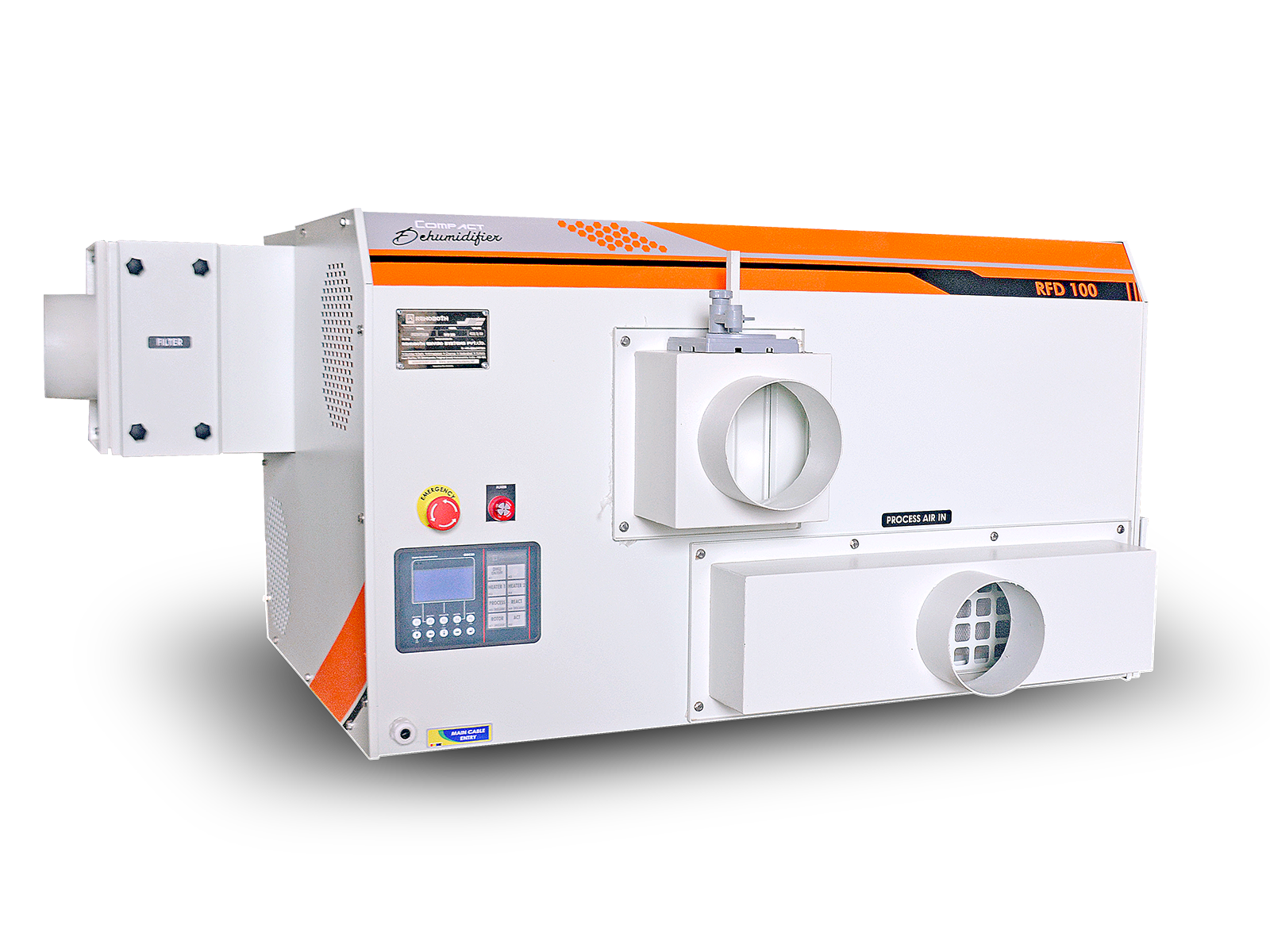
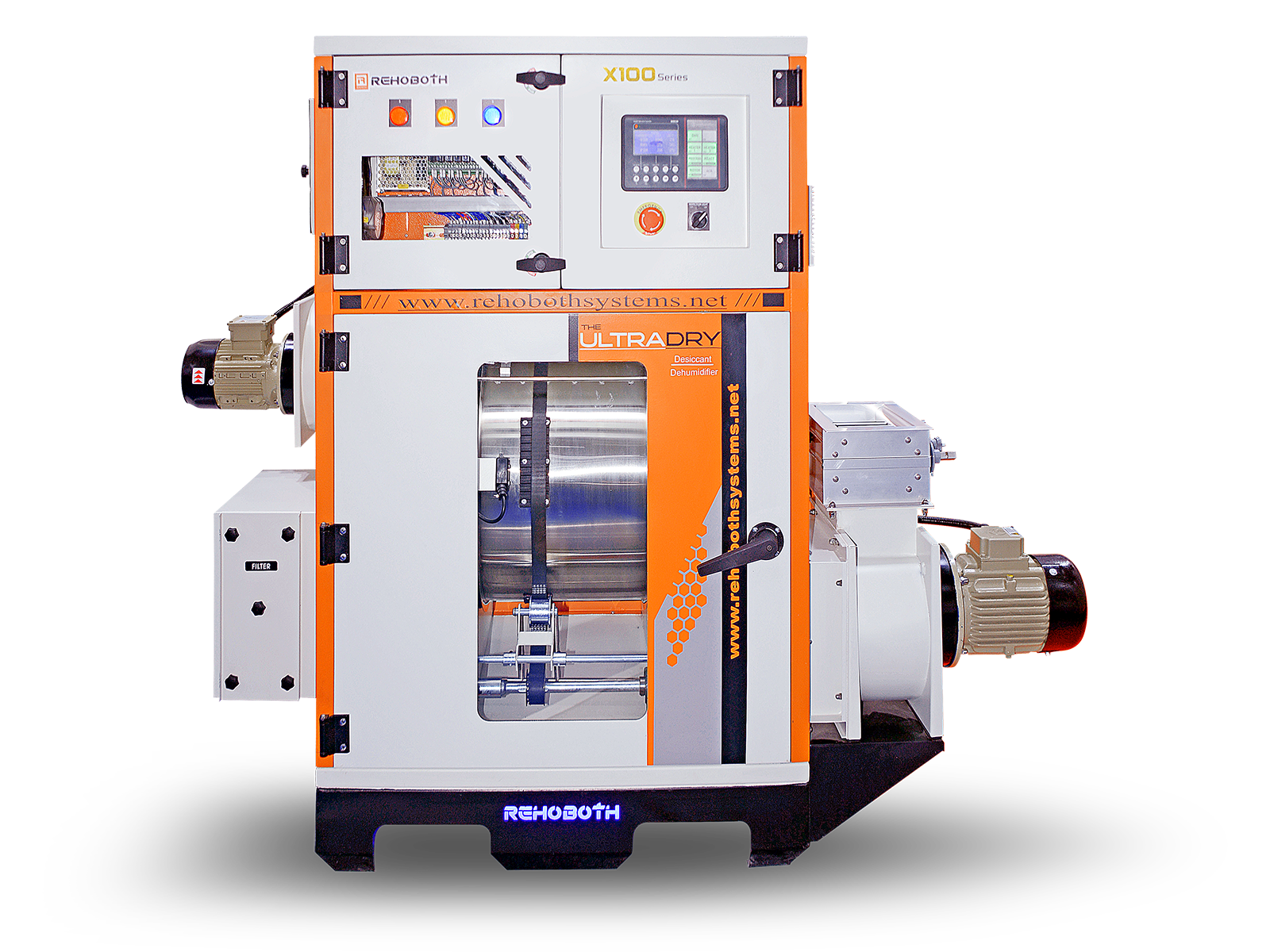
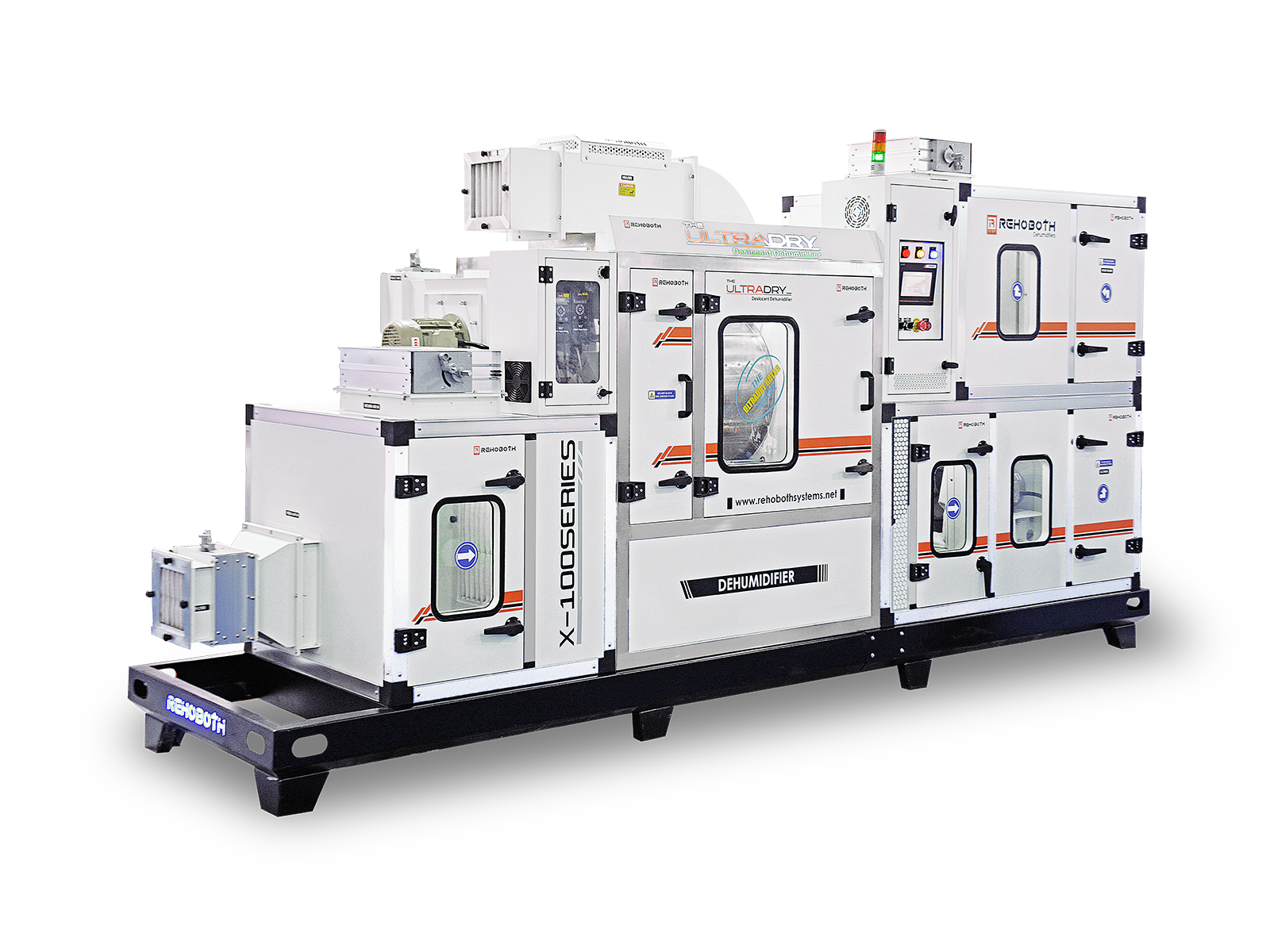
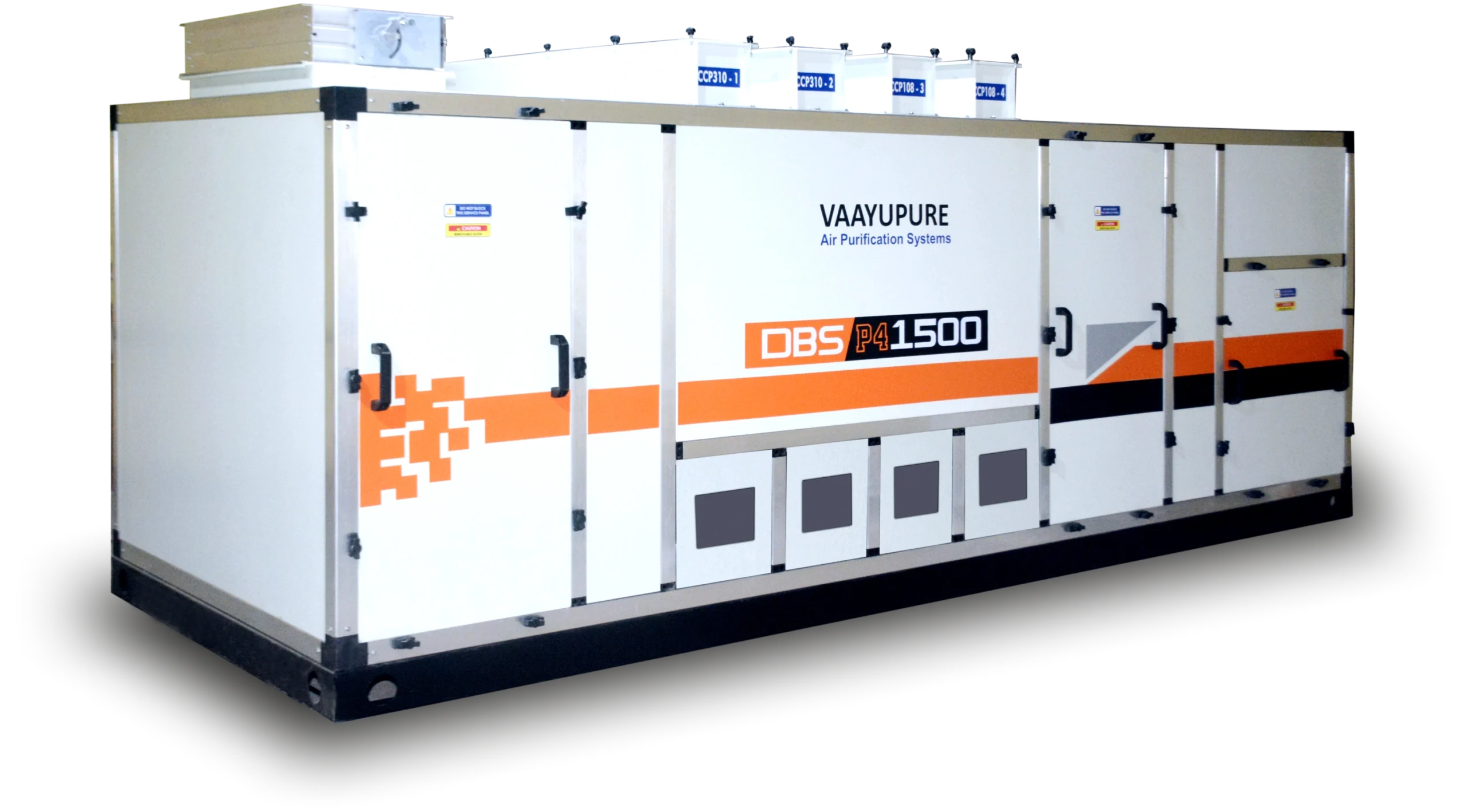
Desiccant dehumidifiers use moisture-absorbing materials like silica gel to pull water vapor directly from the air through adsorption. Think of it like a molecular sponge that grabs and holds moisture, then releases it during a regeneration cycle using heat. The beauty of this approach? Desiccant systems remain effective at very high humidity levels and across wide temperature ranges, including the 30-40°C temperatures typical in non-climate-controlled Indian factories.
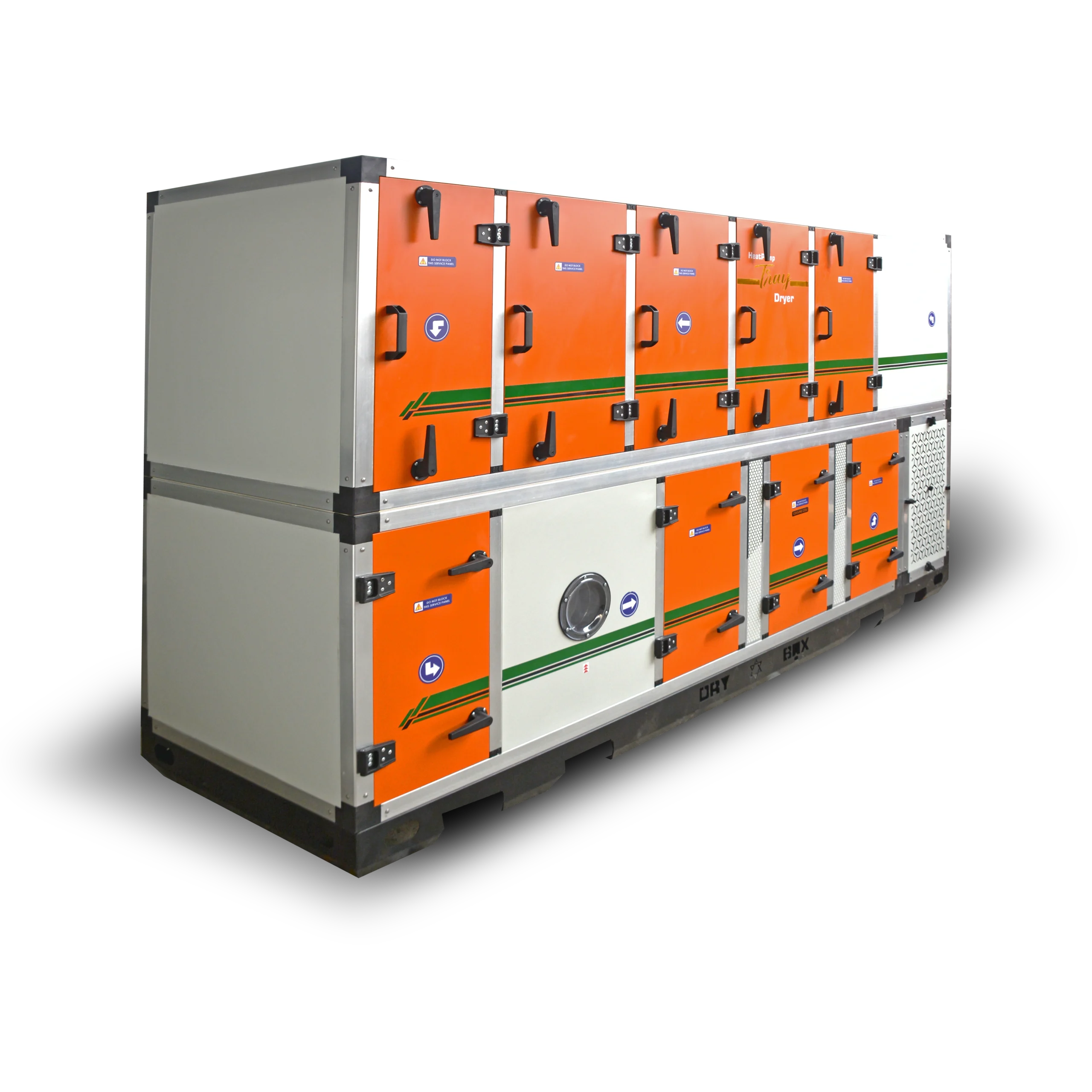
Refrigerant dehumidifiers work like your home AC- they cool air below its dew point, causing moisture to condense out and drip into a collection tank. They’re energy-efficient in moderate conditions but struggle when you need to hit very low RH targets or operate in already-hot environments.
For coastal industrial corrosion prevention, desiccant technology typically wins because:
- They can consistently deliver RH below 40% even when ambient conditions are brutal
- They handle 24/7 operation without performance degradation
- They work effectively in the high-temperature environments common in manufacturing
- They don’t risk condensation or icing in ducted systems serving multiple zones
Leading manufacturers position desiccant systems specifically for process-critical applications like turbine halls, generator rooms, and precision manufacturing- exactly the environments where rust prevention is non-negotiable.
Proven Benefits for Machinery and Heavy Equipment in Humid Zones
Let’s move beyond theory and talk about what proper humidity control for heavy equipment actually delivers in real-world coastal operations.
Top 5 Benefits That Impact Your Bottom Line
- Zero-rust storage zones for critical spares
Imagine having confidence that the ₹15 lakh replacement motor sitting in your warehouse will be in perfect condition when you need it two years from now. Controlled low-humidity storage makes this reality instead of a gamble. By preventing moisture-related failures, facilities see fewer unplanned stoppages and dramatically improved inventory reliability.
- Extended equipment lifespan (2-3× in many cases)
Corrosion engineering best practices suggest that maintaining equipment in controlled low-humidity environments can double or triple asset life compared to uncontrolled coastal exposure. For a ₹50 lakh CNC machine, that’s the difference between 8 years and 20+ years of productive service. - Electrical system reliability
Here’s something that doesn’t get enough attention: humidity control is critical for switchgear and electrical distribution systems, where condensation can cause tracking, arcing, and catastrophic failures. Dehumidification protects both the metal components and the electrical insulation.
- Reduced maintenance labor and costs
When you’re not constantly fighting rust, your maintenance team can focus on productive improvements instead of reactive repairs. One pharma plant in Chennai reported cutting their bearing replacement schedule from quarterly to annual after implementing facility-wide humidity control- that’s 75% fewer maintenance interventions.
- Product quality protection
For industries like pharmaceuticals, electronics assembly, and food processing, humidity causes not just equipment corrosion but also product contamination and quality issues. Controlling moisture protects both your assets and your output.
Coastal-Specific Wins: Real Scenarios
The ROI math often surprises skeptics. A mid-sized facility investing ₹8-12 lakhs in industrial dehumidification typically sees payback within 12-18 months through:
- Avoided emergency repairs and rush spare parts orders
- Eliminated production downtime (valued at ₹50,000-5,00,000 per day depending on operation)
- Extended intervals between major overhauls
- Reduced insurance claims and safety incidents
Quick Win: Hybrid Protection Strategy
Here’s a pro tip that multiplies your results: combine dehumidification with modern anti-corrosion coatings for a layered defense. The dehumidifier controls the environment while coatings provide a physical barrier, meaning even if RH occasionally spikes during extreme weather, you’ve got backup protection. This hybrid approach is particularly smart for equipment that can’t be moved to controlled areas.
Step-by-Step Guide to Implementation and Maintenance
You’re sold on the concept- now let’s make it happen without costly mistakes.
Installation Checklist: 4 Steps to Success
Step 1: Conduct a thorough site assessment
Walk your facility with RH measurements, noting problem zones, temperature variations, and air exchange rates. Identify enclosed spaces (electrical rooms, storage areas, machinery halls) where dehumidification will have maximum impact. Calculate your total volume and typical moisture load- this drives equipment sizing.
Step 2: Choose the right technology and capacity
Match desiccant vs. refrigerant technology to your specific conditions. For most coastal industrial applications targeting sub-50% RH in high-temperature environments, desiccant wins. Work with suppliers to properly size units- oversizing wastes energy, undersizing wastes money when the system can’t hit targets.
Step 3: Optimize placement and airflow
Position dehumidifiers to create positive air circulation throughout the protected space. Avoid dead zones where humid air can pool. Seal obvious air leaks (loading dock gaps, damaged windows) that constantly introduce humid outside air- your dehumidifier shouldn’t be fighting the ocean breeze all day.
Step 4: Commission with monitoring
Don’t just turn it on and hope. Install multiple RH sensors throughout the space and establish baseline performance over 2-4 weeks. Set up alerts if RH exceeds your target threshold. Document your settings and performance so you can optimize over time.
Maintenance Tips: Keep It Running Right
Monthly checks:
– Inspect and clean air filters (clogged filters kill efficiency)
– Verify desiccant regeneration cycles are completing properly
– Check condensate drainage for refrigerant units
– Review RH logs for any unusual patterns
Quarterly deep maintenance:
– Inspect desiccant wheel for damage or contamination
– Check all seals and gaskets for air leaks
– Calibrate RH sensors against a reference hygrometer
– Clean heat exchangers and verify airflow rates
Annual professional service:
– Complete desiccant material assessment and replacement if needed
– Full electrical and control system checkout
– Duct inspection and seal verification
– Performance testing against original specifications
Troubleshooting: When RH Won’t Drop
If your dehumidifier is running but RH remains stubbornly high, work through this diagnostic sequence:
First, check for air infiltration. That loading dock door that doesn’t seal properly might be introducing more moisture than your dehumidifier can handle. Even a 6-inch gap under a door can flood a space with humid air.
Second, verify capacity vs. load. Did you recently add equipment that generates moisture (like a parts washer)? Has your production volume increased? You might have outgrown your dehumidification capacity.
Third, inspect the unit itself. Desiccant wheels can become contaminated with dust or chemicals that reduce effectiveness. Refrigerant systems can develop refrigerant leaks or compressor issues.
Finally, consider temperature. If your space temperature drops below 15°C, refrigerant dehumidifiers struggle. If it exceeds 45°C, even desiccant systems may need supplemental cooling for optimal performance.
One facility manager in Mangalore told me his RH problem disappeared when he simply moved his dehumidifier intake away from the loading area where forklifts constantly opened the door. Sometimes the solution is simpler than you think.
Your Corrosion-Proof Future Starts Now
So, can industrial dehumidifiers stop rust on machinery in coastal India? Absolutely- when properly selected, sized, installed, and maintained.
Here’s your three-point takeaway to bookmark:
- Target sub-50% RH consistently. This is your magic number for preventing active corrosion on steel equipment and components. Anything above 60% puts you in the danger zone.
- Choose desiccant technology for serious industrial applications. The ability to hit low RH targets regardless of ambient conditions makes desiccant systems the gold standard for industrial corrosion prevention dehumidifier applications in coastal factories.
- Think systems, not just equipment. The dehumidifier is one piece of a comprehensive strategy that includes air sealing, proper ventilation, protective coatings, and ongoing monitoring. The facilities that win combine all these elements.
Every plant manager who’s watched a critical machine fail at the worst possible moment knows: an ounce of prevention beats a ton of emergency repairs.
Your machinery doesn’t care about your excuses- it only responds to the environment you create. Start with that ₹500 hygrometer measurement this week. Know your enemy. Then build your defense with the right industrial moisture control tools for your specific situation.
The monsoon season won’t wait. Neither should you.
Ready to take the next step? Consult with industrial dehumidification specialists who understand coastal India’s unique challenges. Ask about site assessments, ROI calculations specific to your operation, and case studies from similar facilities in your region. Your rust-free future is one humidity-controlled breath away REHOBOTH at Email- sales@rbdeh.com, cmnarang@gmail.com / Phone- +91 9811 599 922.
TL;DR
- Pair hygrometer readings with an industrial corrosion prevention dehumidifier for targeted humidity control.
- Size equipment by matching industrial corrosion prevention dehumidifier capacity to your space metrics.
- Automate humidity alerts and integrate your industrial corrosion prevention dehumidifier with HVAC.
- Seal doors and gaps to stop coastal sea air overwhelming your dehumidifier.
- Combine dehumidifier use with protective coatings for layered industrial corrosion prevention dehumidifier strategy.’)