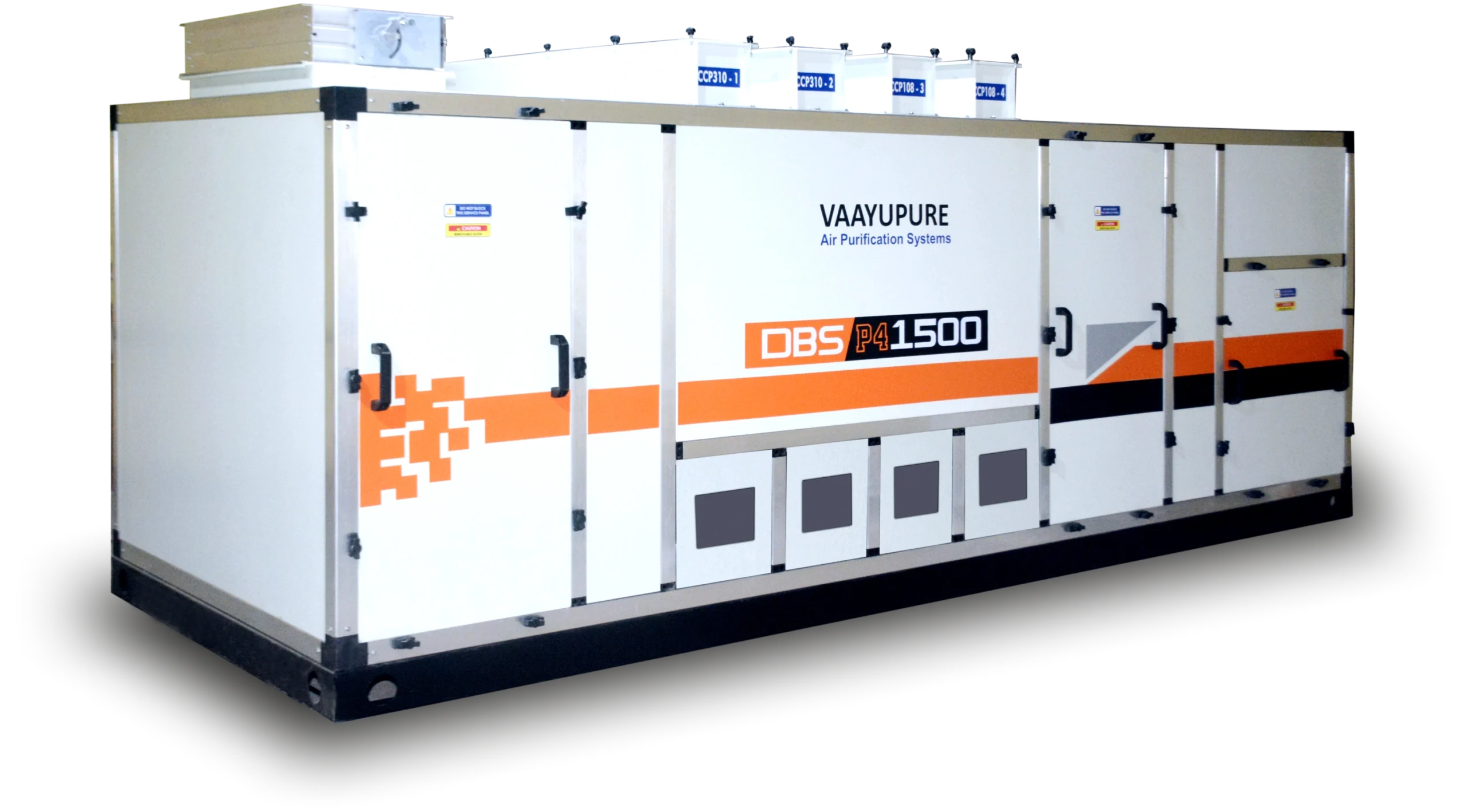

Humidity Control Automotive Manufacturing

Humidity Control Automotive Manufacturing: The Essential Guide to Quality, Efficiency & Cost Savings
Picture this: It’s 6 AM at a premier automotive facility in Michigan. The overnight shift supervisor walks into the paint booth expecting to see gleaming vehicle panels ready for final assembly. Instead, he discovers a nightmare—$50,000 worth of custom metallic paint jobs riddled with fish eyes and orange peel defects. The culprit? A seemingly innocent 15% spike in relative humidity that occurred when the overnight HVAC system couldn’t handle an unexpected weather front.
This isn’t just an isolated incident—it’s a wake-up call that highlights a critical truth in modern automotive manufacturing. Even minor fluctuations in humidity control automotive manufacturing can cascade into massive quality failures, production delays, and financial losses that ripple through the entire supply chain.
Here’s what most plant managers don’t realize: moisture-related rework accounts for up to 25% of lost production hours annually in North American auto plants, with some facilities losing $6 million per year to humidity-induced defects and downtime. Yet despite these staggering costs, many manufacturers still treat automotive manufacturing humidity as an afterthought rather than the mission-critical process control it truly is.
The truth is, precision humidity management isn’t just about preventing paint defects—it’s about transforming your entire operation into a lean, predictable, profit-generating machine. In the next 2,000 words, you’ll discover exactly how strategic moisture management prevents costly failures, boosts yield rates, and delivers measurable ROI that often pays for itself within 18 months.
Here’s what we’ll cover:
- The hidden costs of poor humidity control and why 30-50% RH is your sweet spot
- Paint booth strategies that slash defect rates by up to 45%
- Assembly line best practices for electronics, adhesives, and precision components
- Technology selection guide: when to choose desiccant vs. refrigerant systems
- Real-world case studies showing $250K+ annual savings
The Critical Role of Humidity Control in Automotive Manufacturing
Let’s start with the fundamentals. Humidity control in automotive environments means maintaining relative humidity (RH) within a precise 30% to 50% range throughout your facility. This isn’t arbitrary—this window represents the optimal balance between preventing corrosion and static buildup while ensuring consistent paint adhesion and electronics reliability.
Modern HVAC automotive manufacturing systems work hand-in-hand with industrial dehumidification to maintain this critical balance, but the benefits extend far beyond just keeping moisture in check.
Top 5 Benefits of Precise Humidity Control:
- Corrosion Prevention Dry environments halt rust formation on bare metals and components, preventing long-term degradation that leads to warranty claims and recalls. A major parts supplier recently discovered that maintaining RH below 45% eliminated 90% of storage-related corrosion issues, saving them $180,000 annually in rejected components. Learn more about how dehumidifiers tackle car corrosion across the automotive industry.
- Consistent Paint Adhesion Proper RH ensures uniform paint transfer and curing, minimizing defects like fish eyes, orange peel, and soft finishes. When humidity stays within specification, paint booth operators report defect rates dropping from industry averages of 8-12% down to 2-4%. Discover more about automotive manufacturing humidification solutions.
- Static Discharge Reduction Maintaining 35-50% RH minimizes electrostatic buildup that can damage sensitive electronics during assembly. ESD-related failures can cost $50-500 per incident, making humidity control a smart insurance policy for high-tech automotive components. Read about 5 reasons the automotive industry needs humidification.
- Equipment Longevity Stable humidity reduces wear on precision machinery, extending the life of expensive robotics, conveyors, and measurement equipment. Maintenance teams consistently report 20-30% longer service intervals when humidity is properly controlled.
- Energy Optimization Integrated dew point control and balanced HVAC operation reduce the energy waste associated with rework, scrap processing, and emergency production runs. Plants with optimized humidity systems typically see 15-20% reductions in total energy consumption.
Did You Know? A recent industry study found that moisture-related downtime accounts for nearly 1 in 4 lost production hours in automotive plants, often costing millions per year in missed deadlines and expedited shipping fees.
The bottom line? Modern automotive manufacturing simply cannot afford the process interruptions and product defects that arise from poor moisture management. Systematic humidity control has evolved from a nice-to-have into a foundational requirement for competitive operations.
Preventing Paint Defects: Managing Paint Booth Humidity
If there’s one area where humidity control pays immediate dividends, it’s in your paint operations. Automotive paint booth humidity that strays outside optimal ranges creates visible, costly defects that often aren’t discovered until final inspection—when it’s too expensive to fix.
Here’s what happens when humidity goes wrong:
Above 60% RH: Excess moisture interferes with paint chemistry, causing fish eyes, orange peel texture, cloudiness, and soft finishes that fail durability tests. Waterborne paints are especially vulnerable, with some formulations becoming unusable above 65% RH.
Below 30% RH: Insufficient moisture leads to rapid solvent evaporation, causing blistering, cracking, poor adhesion, and “dusting” where paint particles don’t properly bind to the surface.
Unstable RH (fluctuations >5%): Creates the worst of both worlds—irregular drying patterns, uneven color matching, and delamination issues that may not appear until the vehicle reaches the customer.
| Humidity Level | Common Paint Defects | Typical Rework Cost |
|---|---|---|
| RH > 60% | Fish eyes, orange peel, soft finish | $800–2,500 per panel |
| RH < 30% | Blistering, cracking, dusting | $1,200–3,000 per panel |
| Unstable RH | Irregular drying, color mismatch | $500–4,000 per vehicle |
Three Actionable Strategies to Optimize Paint Room Climate:
Real-time Dew Point Monitoring Install inline dew point sensors that trigger automated corrective action before defects occur. The best systems integrate with your plant’s SCADA network, providing live data and predictive alerts. One Tier 1 supplier credits this approach with catching 95% of potential humidity excursions before they impact production. For comprehensive solutions, explore humidity control in automotive manufacturing.
Pre-conditioning Incoming Air Equip your HVAC system with pre-treatment modules that temper and dehumidify fresh air year-round. This creates a stable baseline that your paint booth climate control can fine-tune, rather than fighting dramatic seasonal variations. Winter humidity swings become manageable, and summer moisture loads don’t overwhelm your system.
Zoned Humidity Control in Multi-Stage Booths Segment your paint line with independent humidity controls for primer, base coat, and clear coat applications. Each stage has slightly different optimal conditions, and zoned control ensures every process runs at its ideal setpoint without compromise.
Mini Case Study: A global OEM facility in the Southeast struggled with 12% paint defect rates during humid summer months. After installing desiccant dehumidifiers with zone-specific controls, their defect rate dropped to 4% year-round, generating $375,000 in annual savings through reduced rework and improved throughput.
Ensuring Product Quality on Assembly Lines & Testing
While paint gets most of the attention, humidity impacts every stage of automotive assembly. From adhesive bonding to electronics integration to precision torque applications, automotive assembly line humidity control is essential for maintaining tight quality standards.
Adhesive Bonding: The Foundation of Modern Assembly
Modern vehicles rely heavily on structural adhesives for everything from windshield installation to body panel bonding. These high-performance materials are incredibly sensitive to ambient conditions.
Why It Matters: Adhesive strength, cure time, and long-term durability all depend on maintaining 40-50% RH during application and initial cure phases. Even small deviations can compromise bond integrity in ways that won’t show up until the vehicle experiences real-world stress. For specialized automotive humidification solutions, visit Sealpump’s automotive industry page.
The Risk: Fluctuating humidity creates “soft” bonds that pass initial quality checks but fail prematurely, leading to warranty claims and potential safety issues. One major manufacturer traced a series of windshield failures back to humidity variations during installation—a $2.3 million recall that could have been prevented with proper climate control.
Electronic Component Assembly: Balancing Static and Corrosion
Today’s vehicles contain dozens of sophisticated electronic modules, each requiring careful handling during assembly and testing.
The Challenge: Too low RH (<35%) creates static discharge risks that can damage sensitive circuits. Too high RH (>60%) promotes corrosion, shorts, and erratic sensor readings that create intermittent failures—the worst kind of quality problem.
Best Practice: Maintain 35-55% RH in electronics work areas, with static monitoring at ESD-sensitive workstations. Install ionizers as backup protection, but remember that proper humidity is your first line of defense against both static and corrosion.
Precision Machining & Torque: The Hidden Humidity Impact
Here’s something most people don’t consider: humidity affects the microscopic water film on metal surfaces, which can skew torque readings and impact dimensional tolerances on critical components.
Where It Shows Up: Engine assembly, transmission work, and safety-critical fasteners like suspension components and brake systems.
The Fix: Maintain stable humidity in precision assembly areas and calibrate torque tools more frequently during seasonal transitions when humidity naturally fluctuates.
Relative humidity monitoring across every production zone isn’t overkill—it’s the baseline requirement for world-class automotive quality control humidity management.
Choosing the Right Dehumidification Technology for Your Plant
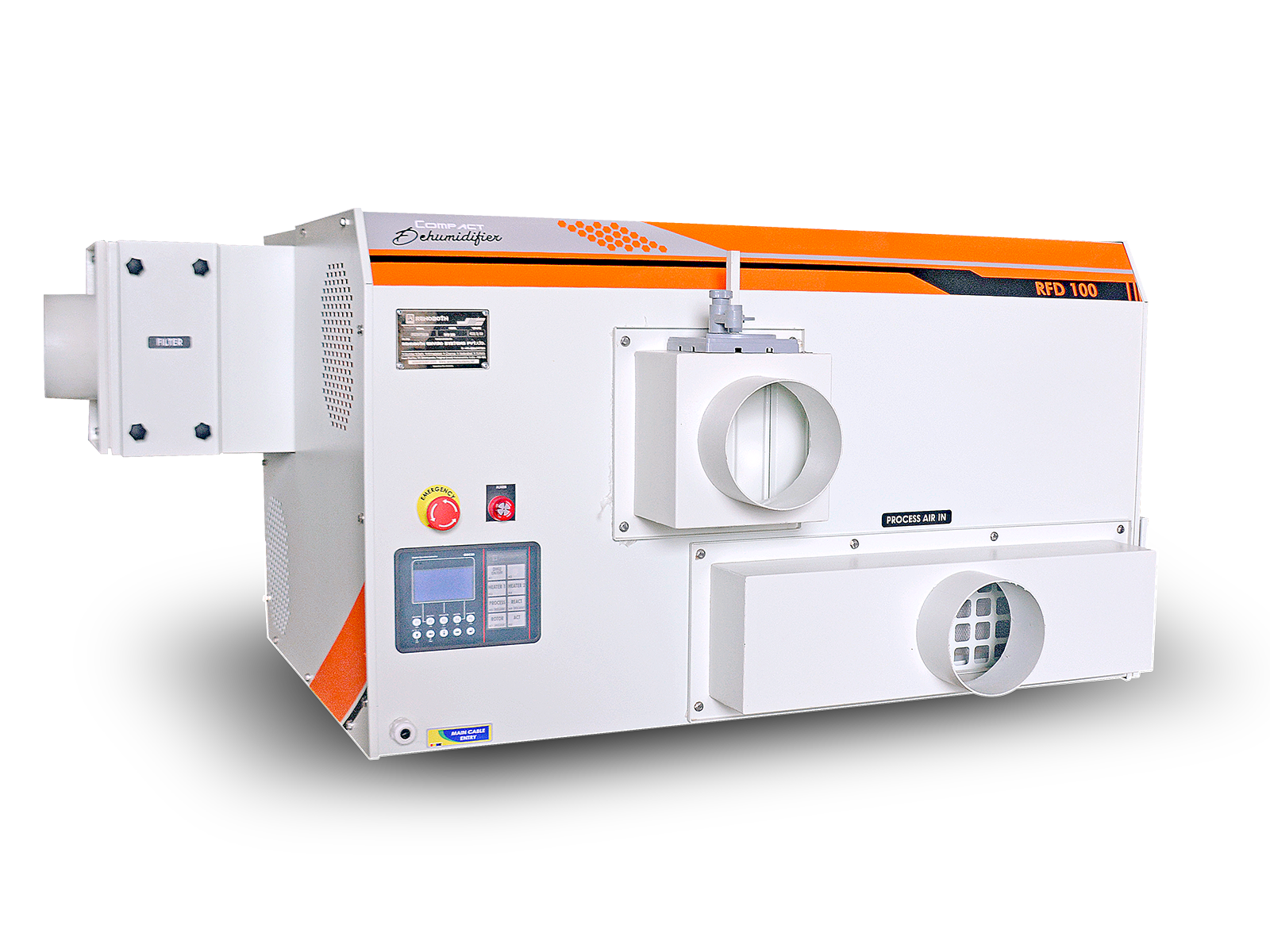
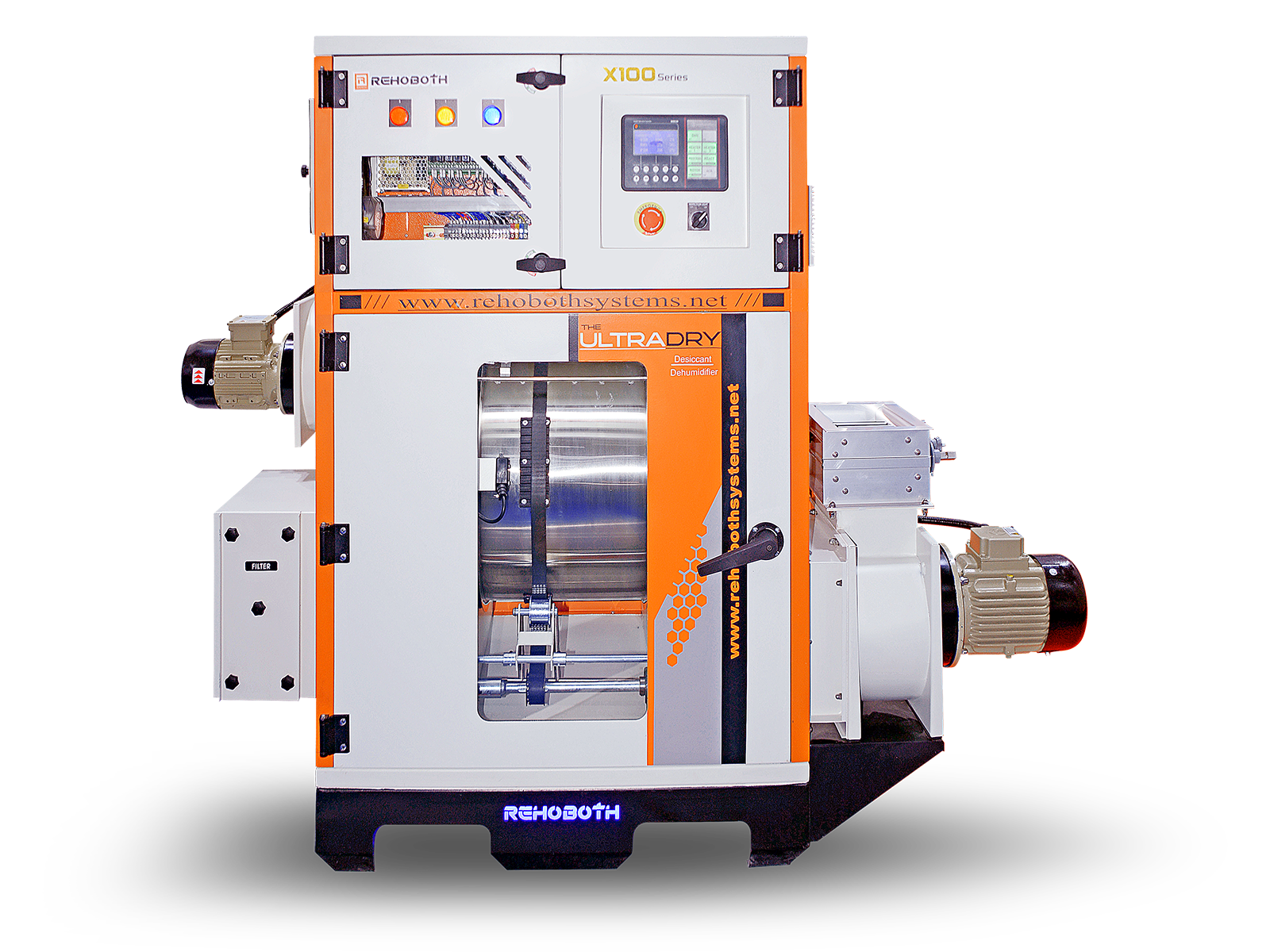
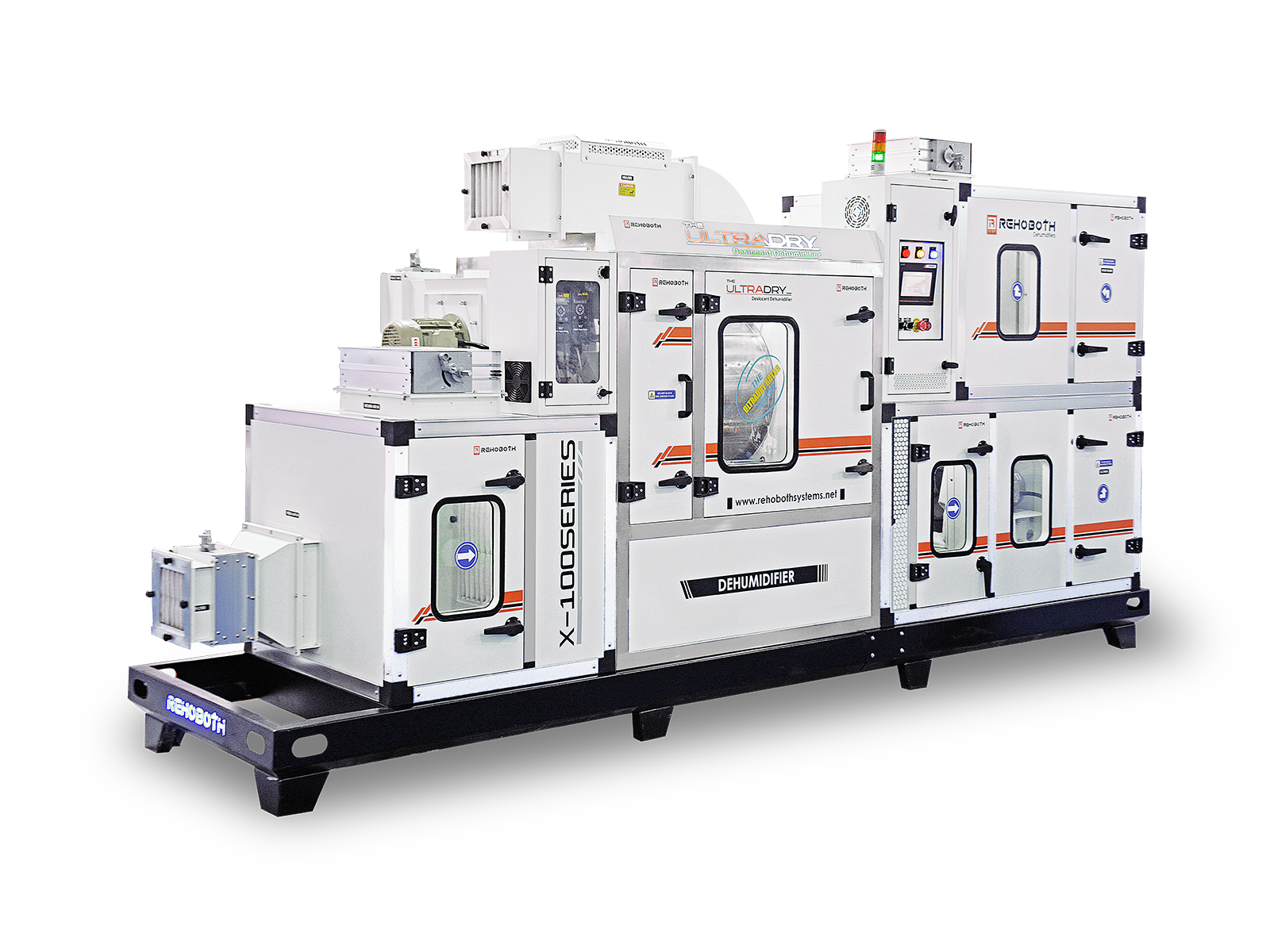
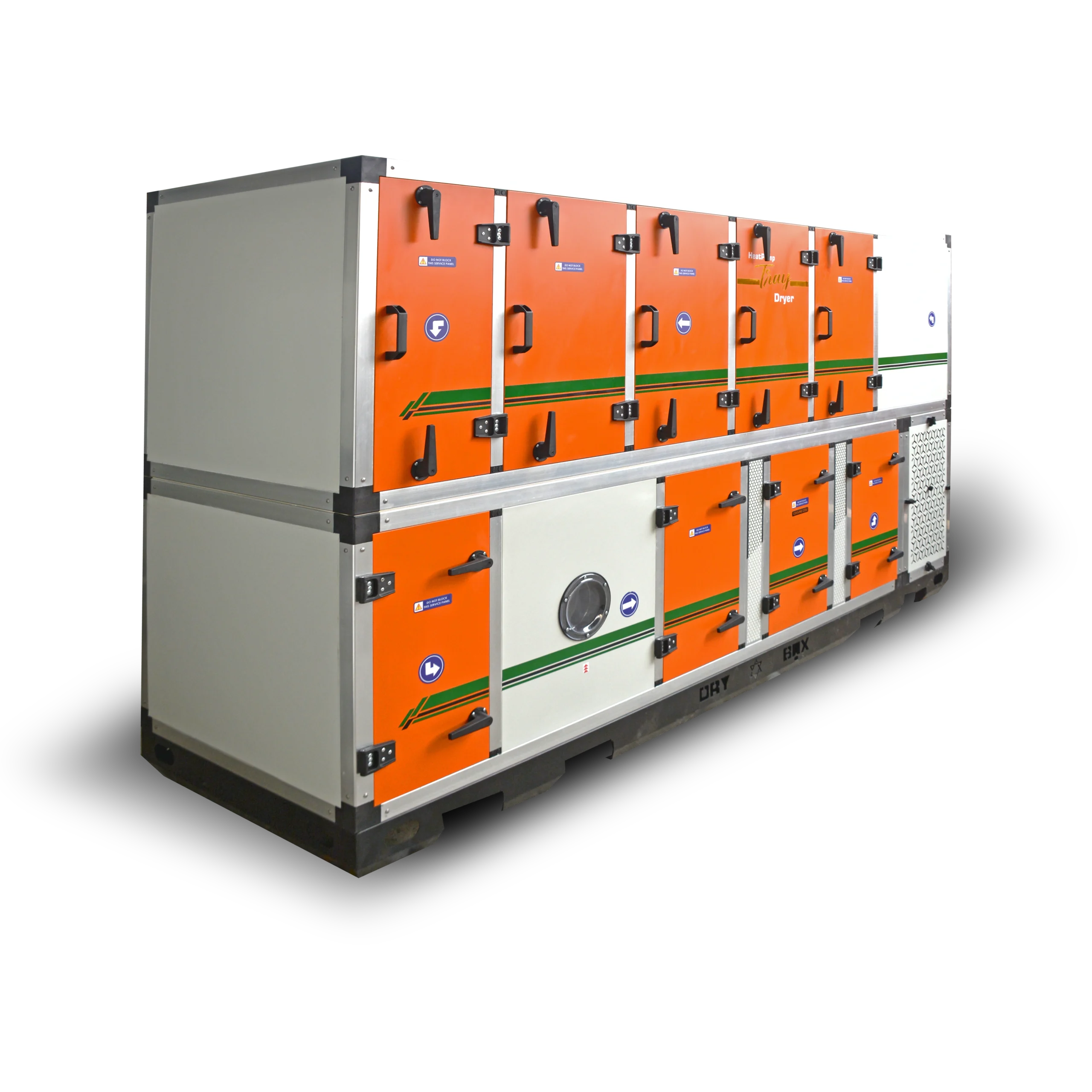
Not all dehumidification systems are created equal. Selecting the right industrial dehumidification automotive solution requires understanding your specific operating conditions, performance requirements, and budget constraints.
Desiccant vs. Refrigerant: The Critical Comparison
| Feature | Desiccant Dehumidifiers | Refrigerant Dehumidifiers |
|---|---|---|
| Operating Temperature | -20°C to 50°C (excellent for cold climates) | 15°C–35°C (struggles in cold conditions) |
| Energy Consumption | Higher operating cost, but stable performance | Lower energy use for moderate humidity control |
| Initial Investment | Higher CAPEX, larger footprint | Lower upfront cost, compact design |
| Maintenance Requirements | Simple service, long intervals, fewer moving parts | More frequent maintenance, coils prone to fouling |
| Dew Point Control | Superior—can reach <10°C dew point | Limited—struggles at very low dew points |
| Humidity Precision | ±2% RH control possible | ±5% RH typical performance |
Your Technology Selection Checklist:
Plant Size & Layout: Larger facilities often benefit from centralized desiccant systems with distributed air handling, while smaller operations may prefer modular refrigerant units for specific zones.
Climate Conditions: If you’re dealing with cold winters or need year-round precision, desiccant systems deliver consistent performance regardless of outdoor conditions.
Required Dew Point: Paint booths and electronics assembly typically need tighter control than general manufacturing areas. Desiccant systems excel when you need dew points below 10°C.
Energy Budget: Consider total cost of ownership, not just initial price. A higher-efficiency system that reduces rework and scrap often pays for itself through operational savings.
Addressing the Cost Objection
“Yes, desiccant dehumidifiers automotive applications cost more upfront—but here’s your 2-year payback model:”
Simple ROI Formula:
Annual Savings = (Defect Reduction × Rework Cost) + Energy Savings + Productivity Gains
ROI = Annual Savings ÷ Initial Investment
Most automotive facilities see 18-24 month payback periods when they factor in reduced scrap, lower energy consumption, and improved on-time delivery performance.
Energy-efficient dehumidification isn’t just about removing moisture—it’s about creating the stable process conditions that enable predictable, profitable manufacturing.
Implementing Best Practices & Maintenance Protocols
A world-class humidity control program requires systematic implementation and disciplined maintenance. Here’s the proven roadmap that leading manufacturers follow:
Phase 1: Assessment & Planning (Weeks 1-4)
Site Audit & Humidity Mapping Document current RH, temperature, and dew point conditions at all critical control points. Use portable data loggers for 2-4 weeks to capture seasonal variations and identify problem areas.
System Sizing & Integration Planning Match dehumidification capacity to actual loads, not just space volume. Factor in production schedules, seasonal variations, and future expansion plans.
Phase 2: Installation & Commissioning (Weeks 5-8)
Sensor Network Design & Calibration Install humidity sensors at critical process points, not just return air locations. Use redundant sensors for mission-critical areas like paint booths. Establish calibration procedures using NIST-traceable standards and document baseline readings.
Staff Training & SOP Development Train maintenance and production teams on system operation, alarm responses, and basic troubleshooting. Develop clear escalation procedures for different types of humidity excursions.
Preventive Maintenance Calendar:
Monthly Tasks:
- Filter inspection and replacement
- Drain trap cleaning and verification
- Airflow measurement across all units
- Visual inspection for leaks or blockages
Quarterly Tasks:
- Sensor calibration with documented results
- Control system performance verification
- Energy consumption analysis
- Preventive parts replacement (belts, seals)
Annual Tasks:
- Complete system performance testing
- Desiccant rotor or refrigerant system overhaul
- Electrical connection inspection and tightening
- Update control software and backup configurations
Overcoming Implementation Challenges:
Limited Budget? Start with portable monitoring systems and wireless sensors to identify the highest-impact areas. Focus initial investments on paint and electronics zones where humidity control delivers immediate ROI.
Downtime Concerns? Choose modular systems that can be serviced without shutting down entire production lines. Schedule major maintenance during planned outages and keep spare modules for critical applications.
Calculate Your Own ROI:
Step 1: Document current costs
- Monthly rework/scrap expenses related to quality issues
- Energy consumption for current HVAC operation
- Downtime costs from humidity-related problems
Step 2: Estimate improvements
- Target defect rate reduction (typically 40-70%)
- Energy savings potential (usually 15-25%)
- Productivity gains from reduced interruptions
Step 3: Factor in investment costs
- Equipment purchase and installation
- Training and commissioning expenses
- Ongoing maintenance and calibration
Step 4: Calculate payback Most automotive applications show positive ROI within 12-36 months, with continuing benefits for 15+ years.
What’s Your Potential? Imagine redirecting the money you currently spend on rework, scrap, and emergency repairs toward new capabilities, automation, or market expansion. That’s the real power of cost savings automotive production through strategic humidity control.
Conclusion & Next Steps
The evidence is clear: humidity control automotive manufacturing isn’t just about preventing problems—it’s about unlocking your facility’s full potential for quality, efficiency, and profitability.
Key Takeaways:
- Precision humidity management (30-50% RH) prevents costly defects across paint, assembly, and testing operations
- Strategic dehumidification technology delivers measurable ROI through reduced rework, energy savings, and improved yield
- Systematic implementation with proper maintenance creates lasting competitive advantages that compound over time
Ready to Transform Your Operation?
Download our comprehensive “Automotive Humidity Control Implementation Checklist”—a step-by-step guide that walks you through assessment, technology selection, and implementation planning.
Schedule a free facility assessment with our team at Rehoboth Enviro Systems. We’ll analyze your specific conditions and provide a customized roadmap for optimizing your HVAC automotive manufacturing systems.
Share this guide with your plant management team, maintenance staff, and quality engineers. The best humidity control programs succeed when everyone understands both the risks and the opportunities.
Make humidity control your competitive advantage, and watch your quality scores, efficiency metrics, and profit margins reach new heights.
TL;DR
- Use inline dew point sensors for real-time humidity control automotive manufacturing paint booths.
- Pre-condition incoming air to stabilize humidity control automotive manufacturing year-round.
- Zone-specific dehumidifiers optimize humidity control automotive manufacturing in primer, base and clear coat.
- Deploy sensor networks near electronics assembly to ensure humidity control automotive manufacturing reliability.
- Train staff on SOPs for humidity control automotive manufacturing excursions and corrective actions.
Eliminate costly paint defects, prevent adhesive failures, and protect sensitive electronics—from the paint booth to the final assembly line—with precision-engineered desiccant dehumidification from Rehoboth Enviro Systems. To speak with an engineer about a tailored solution and receive audit-ready documentation, contact REHOBOTH at sales@rbdeh.com or call +91 9811 599 922.
Your Trusted Partner in Temperature and Humidity Control Solutions