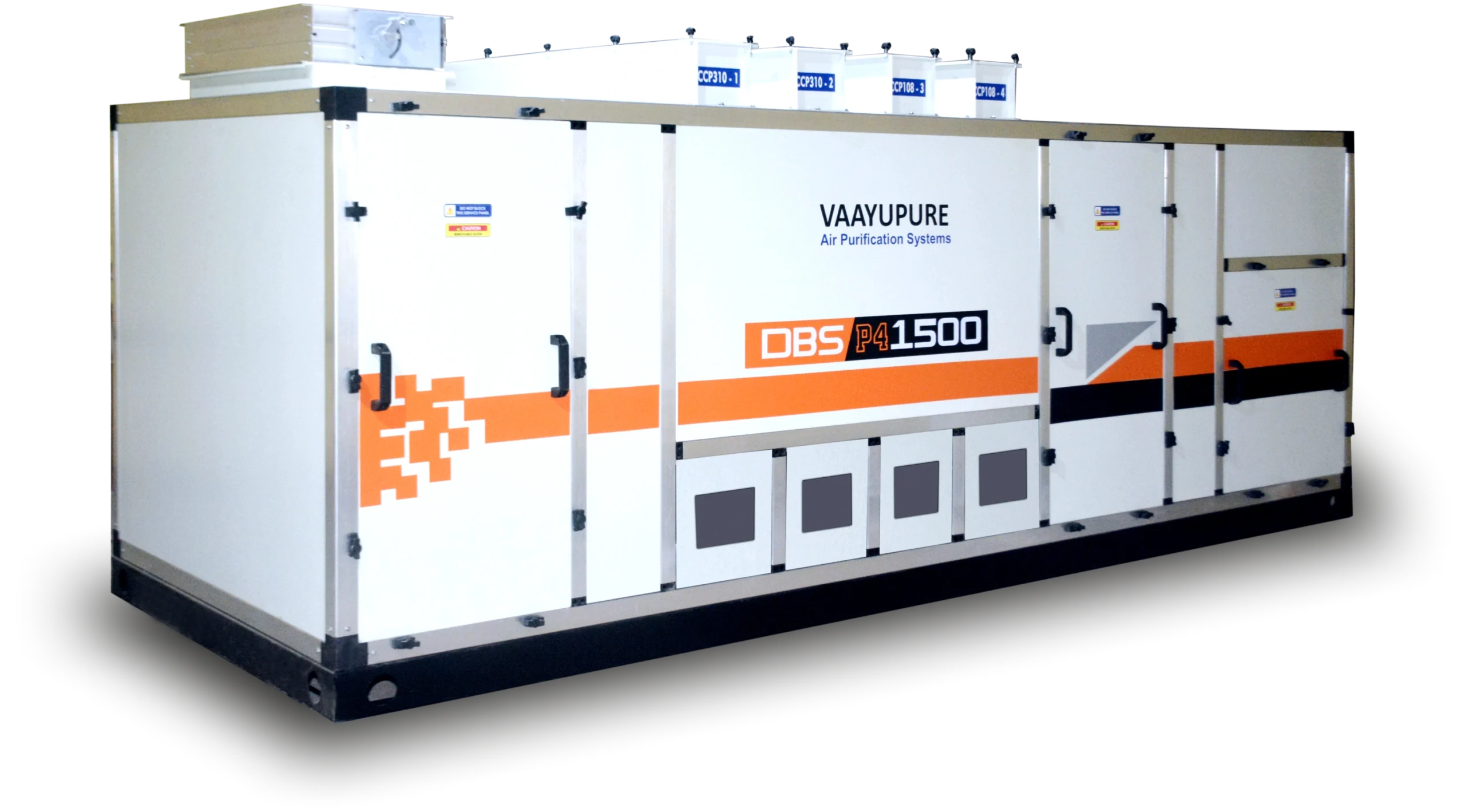
Humidity Control Power Plants: Extending Equipment Lifespan & Slashing Downtime with Desiccant Dehumidification
Picture this: A 500 MW thermal power facility running at full capacity suddenly goes dark. Not because of fuel shortages or grid issues, but because moisture crept into the wrong place at the wrong time. The result? A 48-hour shutdown that cost $1.2 million in lost revenue and emergency repairs.
This isn’t some hypothetical nightmare scenario—it’s the reality facing power plant operators who underestimate the critical importance of humidity control power plants require to stay operational.
Here’s what should keep you up at night: up to 30% of unscheduled downtime in power plants is directly caused by moisture-related failures. We’re talking about corrosion eating through bus bars, condensation triggering electrical shorts, and insulation breakdown that turns expensive transformers into scrap metal.
The stakes couldn’t be higher. In large US power plants, unplanned outages driven by humidity issues can cost upwards of $25,000 per hour. But here’s the thing—most of these failures are completely preventable with the right power plant maintenance strategy focused on precise moisture control.
If you’re responsible for keeping the lights on, understanding humidity control isn’t just technical knowledge—it’s financial survival.
The Hidden—and Crippling—Costs of Uncontrolled Humidity
Let me share a story that will make any accounting team’s blood run cold. In the late fall of 2023, a respected mid-sized dairy operation in Wisconsin, known for its artisanal cheeses, lost a staggering $75,000 in a single week. The culprit wasn’t a mechanical failure or a supply chain disruption. It was a sudden humidity spike to 78% in their aging room, which triggered a catastrophic, facility-wide mold outbreak. Beyond the immediate loss of meticulously crafted product, the company faced a cascade of secondary disasters: crippling production delays, exorbitant deep-cleaning and sanitation costs, and months of intense regulatory scrutiny that damaged their hard-won reputation.
Direct Product Losses: This is the most obvious cost. Every batch spoiled by mold, caking, or sogginess represents wasted raw ingredients, squandered labor hours, lost energy, and added disposal fees. It’s throwing money directly into the dumpster.
Cascading Production Downtime: When a contamination event occurs, the entire line must shut down. This isn’t a simple pause; it’s a full stop that requires extensive cleaning, sanitation, and re-validation. The shutdown ripples through your entire production schedule, causing missed deadlines and strained client relationships.
Accelerated Equipment Degradation: High humidity is a catalyst for corrosion. Moisture attacks metal surfaces, compromises sensitive electronics, and shortens the lifespan of motors, conveyors, and processing machinery. This leads to premature equipment failure, expensive repairs, and unplanned capital expenditures.
Severe Compliance Violations: In the world of food safety, humidity control is not optional. A failure to manage moisture is a direct violation of HACCP principles. Breaches can trigger hefty fines, forced shutdowns by health authorities, and permanent damage to your brand’s reputation.
Erosion of Customer Trust: A product recall or a noticeable decline in shelf life can destroy years of brand-building in an instant. Once consumers lose faith in your product’s quality and safety, winning them back is an arduous, if not impossible, task.
The Wisconsin dairy’s nightmare gets worse. When they filed an insurance claim, it was largely denied because the mold outbreak was deemed a result of inadequate “preventable maintenance.” The facility manager, in a moment of candid frustration, told me, “We spent more on the emergency response and cleanup in one week than a state-of-the-art dehumidification system would have cost to operate for five years.”
The pattern is clear: reactive maintenance is bleeding money. But what if you could flip the script entirely?
The Equipment Lifespan Game-Changer You’re Probably Missing
Here’s where things get interesting. Most plant managers think about humidity control as a nice-to-have. They’re dead wrong.
Precise equipment lifespan power plants can achieve through humidity management isn’t just incremental—it’s transformational. We’re talking about extending asset life from 5 years to 8 years with proper RH control at 40-50%. That’s a 60% gain in longevity.
Think about what that means for your budget. Instead of replacing critical components every 5 years, you’re getting 8 years of service life. The math is compelling.
The Science Behind the Savings:
The relationship between humidity and equipment degradation follows a predictable curve. At relative humidity levels above 60%, you’re essentially putting your equipment on an accelerated aging program. But maintain that sweet spot of 40-50% RH, and everything changes.
RH Level
Turbine Lifespan
Transformer Lifespan
>65%
4-5 years
6-7 years
40-50%
7-8 years
10-11 years
The difference isn’t marginal—it’s massive.
Three Quick Wins for Turbine Hall RH Stabilization:
Deploy zone-specific industrial dehumidifiers with integrated humidity sensors for real-time feedback
Seal the envelope – Use tight-sealing ductwork and vapor barriers to prevent moisture infiltration
Install dew point monitors for predictive maintenance alerts before problems escalate
But here’s what most people get wrong: they think any dehumidification system will do the job. The reality is much more nuanced, especially when you’re trying to prevent the costly downtime that’s probably eating into your profits right now.
Why Unplanned Downtime Is Your Humidity Control Wake-Up Call
Let’s talk about the domino effect that keeps plant managers awake at night.
Power plant downtime reduction isn’t just about having backup systems—it’s about preventing the cascade of failures that humidity surges trigger in the first place.
Here’s how a typical humidity-driven disaster unfolds:
Hour 0: Humidity spike hits >80% RH (maybe from a weather event or HVAC failure) Hour 2: Condensation appears on control panels and switchgear Hour 2.5: Automatic safety systems detect the moisture and trigger emergency shutdown Hour 14.5: After 12 hours of downtime, you’re looking at $300,000 in losses for a medium-sized plant
The brutal truth? This entire sequence is preventable with proper desiccant dehumidification power plants can implement as part of their reliability strategy.
I recently reviewed data from a European combined-cycle plant that tells a different story. After installing a precision desiccant dehumidification system in their switchgear rooms, they reduced annual emergency trips by 21%. That’s not just a statistic—that’s millions of dollars in avoided losses.
The Real Cost of Reactive Thinking:
Most facilities are playing defense when they should be playing offense. You’re waiting for humidity problems to manifest as equipment failures, then scrambling to fix them. Meanwhile, the smart money is on power plant dehumidification systems that prevent problems before they start.
The question isn’t whether you can afford to invest in humidity control—it’s whether you can afford not to.
Desiccant vs. Refrigeration: The Technology Decision That Makes or Breaks Your ROI
Here’s where most people make expensive mistakes. They assume all dehumidification is created equal. It’s not.
When you’re designing HVAC power generation systems, the choice between desiccant and refrigeration technology can literally make or break your humidity control strategy.
The Head-to-Head Comparison:
Feature
Refrigeration
Desiccant Dehumidification
Energy Use
Higher (especially low temp)
Lower, especially <15°C
Dew Point Achievable
12°C–15°C
Down to 0°C and below
Maintenance Needs
Filters, coils; icing risk
Desiccant wheel checks
Precision RH Control
Moderate (fluctuates)
High (±2%)
Best Applications
General HVAC comfort
Low temp/high precision
Why Desiccant Often Wins in Power Plants:
The precision factor is huge. When you’re protecting million-dollar transformers and turbines, “close enough” isn’t good enough. Desiccant systems deliver the kind of tight RH control that prevents problems rather than just managing them.
Three Pros and Cons You Need to Know:
Desiccant Advantages: • Precise low RH control that actually protects equipment • Effective performance even in cold temperatures • Lower risk of icing and condensation issues
The bottom line? For critical power plant applications where precision matters, desiccant technology typically delivers better long-term value. But the key is matching the technology to your specific needs.
Building Your Humidity Control System: The 7-Step Blueprint That Actually Works
Let’s get practical. You understand the problem, you know the stakes, and you’re ready to take action. Here’s the step-by-step approach that separates successful implementations from expensive mistakes.
Your Complete System Design Checklist:
Load Calculation (Get This Wrong and Everything Fails) Quantify your actual moisture load in kg/hr for each equipment zone. Don’t guess—measure. Use real data from your facility’s worst-case humidity conditions.
Ducting Design (Seal Everything) Every leak is money walking out the door. Use tight-sealing ductwork and vapor barriers. This isn’t optional—it’s fundamental to system performance.
Strategic Sensor Placement Deploy both RH and dew point sensors for comprehensive monitoring. Place them where moisture problems actually occur, not just where they’re convenient to install.
Controls Integration Link your dehumidifier operation directly to your plant’s control logic and alarm systems. Real-time response prevents small problems from becoming big disasters.
Precision Dehumidifier Sizing Choose desiccant unit capacity based on actual room volume and measured moisture ingress rates. This is where engineering beats guesswork every time.
Validation and Testing Run pre-commissioning checks and simulate high-humidity conditions. Test your system before you need it to save your equipment.
Documentation and Protocols Maintain detailed logs of calibration, maintenance, and performance. Your future self (and your insurance company) will thank you.
The biggest error I see? Oversizing systems because “bigger must be better.” Wrong. Oversized units waste energy and create RH swings that can be worse than no control at all. Undersized units leave you vulnerable to the exact problems you’re trying to prevent.
The sweet spot requires precise calculations using your actual weather data and facility characteristics. It’s engineering, not guesswork.
Measuring Success: KPIs and ROI That Matter to Your Bottom Line
You can’t manage what you don’t measure. But in power plant maintenance, most people are tracking the wrong metrics or missing the financial picture entirely.
The Four KPIs That Actually Matter:
RH Variance Control Target: ±3% of setpoint consistently Why it matters: Tight control prevents the humidity swings that cause equipment stress
Energy Efficiency per kW Track dehumidification energy consumption relative to moisture removal Benchmark against industry standards for your equipment type
Unscheduled Trips Prevented Compare pre- and post-installation emergency shutdown data Each prevented trip can save $25,000+ in a large facility
Asset Lifecycle Extension Monitor actual vs. expected replacement cycles for critical components Document the financial impact of extended equipment life
Your ROI Calculation Framework:
Here’s the simple formula that makes the business case crystal clear:
Count your downtime events before humidity control (hours/year)
Calculate current downtime events with control systems
Multiply the difference by your cost per hour of outage
Add maintenance cost reductions from extended equipment life
Subtract your total dehumidifier investment and operating costs
Most well-designed systems pay for themselves within 18 months. The question isn’t whether the ROI is there—it’s whether you’re capturing it.
Your Next Steps: From Problem to Solution
The evidence is overwhelming. Humidity control power plants implement using advanced desiccant dehumidification delivers measurable, bankable results: extended equipment lifespan, dramatically reduced downtime, and improved energy efficiency.
The Three Things You Should Do This Week:
Audit your current humidity levels in critical areas like control rooms, transformer spaces, and switchgear areas
Calculate your annual moisture-related costs using the framework we’ve outlined
Contact humidity control specialists for a facility-specific assessment and ROI analysis
Contact Rehoboth Enviro Systems for a comprehensive RH audit and custom ROI analysis. Their team has solved humidity challenges in power plants across six continents, and they can show you exactly what’s possible at your facility.
Want More Technical Details? Download the “Practical Moisture Control Guide for Power Plants” to get specific RH recommendations for every type of equipment in your facility.
The choice is yours: keep playing defense against moisture problems, or invest in the humidity control systems that turn your facility into a reliability leader. The math makes the decision easy—if you’re ready to act on it.
TL;DR
Use precision desiccant dehumidification to maintain 40–50% RH, preventing costly equipment corrosion.
Seal ductwork and install vapor barriers to eliminate moisture infiltration in control rooms.
Deploy dew point sensors for real-time alerts, avoiding unexpected shutdowns in power plants.
Calculate actual moisture loads to size dehumidifiers accurately, maximizing energy and cost savings.
Track RH variance and unscheduled trips to quantify savings from humidity control power plants.
Protect your high-value power plant assets from catastrophic moisture-related failures and eliminate unscheduled downtime—from turbine halls and transformer rooms to switchgear and control centers—with precision-engineered desiccant dehumidification from Rehoboth Enviro Systems.To speak with an engineer about a tailored solution and receive audit-ready documentation, contact REHOBOTH at sales@rbdeh.com or call +91 9811 599 922.