
How Dehumidification Revolutionizes Food Processing: A Deep Dive into Hygiene & Shelf Life
How Dehumidification Revolutionizes Food Processing: A Deep Dive into Hygiene & Shelf Life
Imagine this scene: it’s 3 AM in a bustling commercial bakery. The air is thick with the warm, comforting aroma of freshly baked goods. The ovens have just finished a massive run of croissants, their perfectly golden, flaky layers promising another profitable morning. But when the morning crew arrives at dawn, a wave of despair washes over them. Those once-proud pastries have collapsed into dense, sticky, unsellable lumps. Overnight, an invisible enemy has silently crept in and turned a triumph into a tragedy. That enemy is uncontrolled humidity, and it has just cost the business thousands of dollars in a matter of hours.
This is not a rare occurrence; it’s a daily battle fought in food processing facilities across the globe. Invisible airborne moisture isn’t just a minor annoyance—it’s a relentless saboteur that systematically undermines hygiene, degrades product quality, shortens shelf life, and corrodes expensive equipment. The financial and reputational stakes are immense. In fact, comprehensive research shows that up to 30% of all food spoilage is directly linked to moisture-related issues, encompassing everything from rampant mold growth and bacterial contamination to condensation-soaked packaging and caked ingredients.
Here’s the critical insight: most food processors are aware that humidity is a factor, but very few grasp the profound and revolutionary impact that proper dehumidification can have on their entire operation. This isn’t merely about preventing the occasional spoiled batch. It’s about fundamentally re-engineering your approach to food safety, operational efficiency, regulatory compliance, and ultimately, profitability. It’s about shifting from a reactive stance of damage control to a proactive position of environmental mastery.
The Hidden—and Crippling—Costs of Uncontrolled Humidity
Let me share a story that will make any accounting team’s blood run cold. In the late fall of 2023, a respected mid-sized dairy operation in Wisconsin, known for its artisanal cheeses, lost a staggering $75,000 in a single week. The culprit wasn’t a mechanical failure or a supply chain disruption. It was a sudden humidity spike to 78% in their aging room, which triggered a catastrophic, facility-wide mold outbreak. Beyond the immediate loss of meticulously crafted product, the company faced a cascade of secondary disasters: crippling production delays, exorbitant deep-cleaning and sanitation costs, and months of intense regulatory scrutiny that damaged their hard-won reputation.
This wasn’t a freak accident or an act of God. It was a predictable outcome of neglecting a critical environmental variable. Industry studies consistently indicate that moisture-related failures represent one of the most preventable yet costly challenges in the food processing sector. The true cost of humidity neglect is a multi-headed hydra, attacking your business from all angles:
- Direct Product Losses: This is the most obvious cost. Every batch spoiled by mold, caking, or sogginess represents wasted raw ingredients, squandered labor hours, lost energy, and added disposal fees. It’s throwing money directly into the dumpster.
- Cascading Production Downtime: When a contamination event occurs, the entire line must shut down. This isn’t a simple pause; it’s a full stop that requires extensive cleaning, sanitation, and re-validation. The shutdown ripples through your entire production schedule, causing missed deadlines and strained client relationships.
- Accelerated Equipment Degradation: High humidity is a catalyst for corrosion. Moisture attacks metal surfaces, compromises sensitive electronics, and shortens the lifespan of motors, conveyors, and processing machinery. This leads to premature equipment failure, expensive repairs, and unplanned capital expenditures.
- Severe Compliance Violations: In the world of food safety, humidity control is not optional. A failure to manage moisture is a direct violation of HACCP principles. Breaches can trigger hefty fines, forced shutdowns by health authorities, and permanent damage to your brand’s reputation.
- Erosion of Customer Trust: A product recall or a noticeable decline in shelf life can destroy years of brand-building in an instant. Once consumers lose faith in your product’s quality and safety, winning them back is an arduous, if not impossible, task.
The Wisconsin dairy’s nightmare gets worse. When they filed an insurance claim, it was largely denied because the mold outbreak was deemed a result of inadequate “preventable maintenance.” The facility manager, in a moment of candid frustration, told me, “We spent more on the emergency response and cleanup in one week than a state-of-the-art dehumidification system would have cost to operate for five years.”
This highlights a crucial financial reality: energy-efficient humidity control systems typically pay for themselves within a remarkably short 18-24 months. The ROI is generated through drastically reduced waste, lower HVAC energy costs (as dry air is easier to cool), and extended equipment life. Yet, countless facilities continue to roll the dice, operating without adequate moisture management until disaster inevitably strikes.
Why Humidity Is the Root of Food Processing Challenges
To truly defeat this invisible enemy, you must first understand its methods of attack. Moisture’s destructive power in a food facility stems from three fundamental scientific principles that are constantly at play.
Condensation: The Silent Killer
Think of a cold can of soda on a hot summer day. Droplets of water instantly form on its surface. This is condensation, and it happens whenever an air temperature drops below its “dew point”—the temperature at which the air becomes saturated and can no longer hold its water vapor. In a food processing plant, with its mix of hot processes and cold surfaces, this phenomenon is rampant. It manifests as dripping ceilings over mixing vats, wet patches on chilled conveyors, and moisture forming inside sealed packages. Each droplet is a potential breeding ground for dangerous pathogens like Listeria and Salmonella. Even minor temperature fluctuations, such as opening a freezer door, can trigger condensation events that compromise the safety of entire production runs.
Microbial Growth: The 60% Rule
Here is the single most important number every food safety manager must know: 60% relative humidity (RH). Below this threshold, most bacteria, molds, and yeasts struggle to survive and reproduce. Above it, their growth rates explode exponentially. Mold spores that lie dormant and harmless at 50% RH can become aggressive, visible colonies in a matter of hours at 70% RH. This isn’t a linear relationship; it’s a cliff. By allowing your facility’s humidity to cross this critical line, you are essentially rolling out a welcome mat for microbial contamination. Peer-reviewed research consistently demonstrates that controlling humidity below the 60% threshold can reduce overall microbial contamination by up to 90%.
Physical Degradation: Beyond Spoilage
Moisture’s destructive power isn’t limited to biological threats. It physically alters and destroys products and packaging.
- Hygroscopic Products: Ingredients like flour, sugar, salt, and spices are “hygroscopic,” meaning they actively absorb moisture from the air. This causes powders to cake into solid, unusable blocks, ruining their functionality and flowability.
- Texture and Quality: Moisture ruins texture. Crisp products like crackers and chips become soft and stale. Hard candies become sticky and clump together. Coatings on snacks and cereals lose their crunch.
- Packaging Integrity: Cardboard boxes absorb moisture, losing their structural integrity and becoming unable to support stacked weight. Paper labels peel off, and adhesives on seals can fail, compromising the product’s barrier protection. I’ve personally seen flour suppliers reject entire truckloads of product because ambient humidity during transport turned their premium, free-flowing powder into concrete-hard blocks.
Quick Humidity Risk Assessment:
- Do you ever see condensation on pipes, windows, or cold equipment?
- Are your dry ingredients clumping, caking, or bridging in hoppers?
- Have you noticed cardboard packaging becoming soft or labels peeling?
- Are you battling persistent microbial issues despite rigorous sanitation?
- Do your production challenges seem to worsen during specific seasons?
If you answered “yes” to any of these, you are actively losing money to uncontrolled humidity, whether you see it on your balance sheet or not.
Actionable Strategies for Condensation and Mold Prevention
The good news is that mastering your environment isn’t about magic; it’s about applied physics. With the right equipment, strategy, and protocols, you can take definitive control of the moisture in your facility.
Choosing Your Dehumidification Strategy
There are two primary types of industrial dehumidifiers, each suited for different applications. Understanding their strengths is key to designing an effective system.
| Dehumidifier Type | Temperature Range | Humidity Control Level | Energy Efficiency | Maintenance | Best Applications |
|---|---|---|---|---|---|
| Refrigerant | Works best above 50°F (10°C) | Good (can maintain 50–70% RH) | High | Low | General processing areas, wash-down rooms, packaging halls. |
| Desiccant | Effective at any temperature | Excellent (can achieve <20% RH) | Moderate | Higher | Cold storage, freezers, drying rooms, ingredient silos, precise low humidity applications. |
Most large, complex facilities require a hybrid approach. Robust refrigerant units can handle the heavy moisture load in warmer processing and wash-down areas, while high-performance desiccant systems provide the precise, low-temperature control needed for cold storage and sensitive ingredient handling.
The Four Pillars of Effective Moisture Management
- Strategic Equipment Placement: Don’t just place a dehumidifier in a damp corner. Position units upstream of critical processes to treat the air before it becomes a problem. For cold storage entryways, a desiccant unit can create an “airlock” that strips moisture from incoming air. In packaging zones, target the areas where warm products meet cooler ambient air.
- Airflow Optimization: A dehumidifier is only as good as the airflow that feeds it. A well-designed system incorporates balanced air handling with filtered intakes and controlled exhausts to prevent the formation of stagnant, humid microclimates. Ensure air circulates effectively around and through processing equipment and stored goods.
- Temperature and Humidity Synchronization: Never let your cooling systems outpace your dehumidification capacity. When you rapidly chill moist air, you force it to dump its water load as condensation. Your HVAC and dehumidification systems must work in concert, not against each other, to maintain a consistent dew point that prevents condensation.
- Rigorous Preventive Maintenance Protocols: Your dehumidification system is a critical piece of your food safety apparatus. Treat it as such. This means cleaning coils monthly, changing filters regularly, and, most importantly, calibrating humidity sensors quarterly. A sensor drift of just 5% is enough to push your facility outside its safe operational window and into a non-compliant state.
Ensuring Product Quality Across Diverse Food Categories
- Different food categories present unique humidity-related challenges. A one-size-fits-all approach is doomed to fail. Here’s how industry leaders tailor their moisture control strategies.Meat Processing: Precision in Chilled EnvironmentsMeat processing facilities are high-stakes environments where pathogens like Listeria monocytogenes can thrive if given the chance. Protein provides the ideal nutrition for microbial growth, making humidity control a non-negotiable aspect of safety. Industry best practices show that maintaining 50-55% RH in cold processing and cutting rooms can reduce surface bacterial growth by up to 85%.
A large beef processing plant in Nebraska shared a powerful transformation story. Before implementing a targeted desiccant dehumidification system, they were consistently losing 3-4% of their product weight to moisture-related trim and spoilage. After the system was installed and optimized, those losses plummeted to under 1%. On a $12 million production volume, this translated to an annual saving of over $180,000, paying for the system in just over a year.
Dairy: Managing a Complex Web of Temperature Zones
Dairy operations are a masterclass in thermal complexity, juggling the intense heat of pasteurization, the deep cold of storage, and the specific conditions of aging rooms. Each area creates its own unique humidity challenge. Cheese aging, for instance, is an art form that requires precise humidity to cultivate the proper rind and flavor profile while actively preventing the growth of undesirable wild molds.
By implementing zone-specific dehumidification, dairies can extend the shelf life of products like yogurt and cottage cheese by 15-25%. A Vermont artisan cheese maker provides a perfect example. By installing targeted humidity control in their aging caves, they not only improved the consistency of their flavor development but also slashed product loss from 8% to just 2%.
Bakery Operations: The Dual Challenge
Bakeries fight a war on two fronts. First, they must protect their dry ingredients, especially flour, from absorbing ambient moisture, which leads to clumping and disrupts precise formulations. Second, they must manage the moisture of finished goods to ensure optimal texture and prevent premature staling or mold.
Strategic implementation of controlled humidity zones can extend the shelf life of packaged baked goods by an astounding 40% while preventing ingredient degradation. A commercial bakery in humid Florida, for example, cut its flour waste by 60% simply by installing a dedicated dehumidification system in its ingredient storage silo and prep areas.
Achieving HACCP Compliance Through Precise Moisture Control
Hazard Analysis and Critical Control Points (HACCP) is the bedrock of modern food safety. Integrating humidity control into your HACCP plan isn’t just a good idea—it’s a requirement for robust compliance.
Identifying Moisture-Related Critical Control Points (CCPs)
A CCP is a point in your process where a failure of control can lead to a food safety hazard. Common moisture-related CCPs include:
- Post-cooking cooling zones: Where hot, steaming products release vast amounts of moisture, creating a high-risk condensation zone.
- Cold storage transitions: The doorways and loading docks where warm, moist air meets cold surfaces.
- Packaging areas: Where the final product, often at a different temperature than the ambient air, is sealed.
- Ingredient storage: The first line of defense where the quality and safety of raw materials are preserved.
Establishing Science-Based Critical Limits
HACCP demands that your control measures are not arbitrary but are based on measurable limits supported by scientific evidence. For most food applications, maintaining an RH below 60% is a safe critical limit, but specific products, particularly those with high water activity, may require much tighter control (e.g., 45% RH).
A comprehensive humidity-focused HACCP plan must include:
- Critical Limits: Clearly defined maximum RH levels for each identified CCP.
- Monitoring Procedures: An outline of how, when, and by whom RH will be monitored, specifying the use of calibrated sensors.
- Corrective Actions: A pre-determined, step-by-step plan for what to do when a critical limit is breached.
- Verification: A schedule for regular system checks, sensor calibrations, and log reviews to ensure the plan is working.
- Record Keeping: Meticulous, detailed logs that provide a bulletproof audit trail for regulators.
A critical HACCP question: How often should humidity sensors be calibrated? For any CCP, most food safety auditors recommend quarterly professional calibration, supplemented with monthly verification checks using a certified reference instrument. Remember, a sensor drift of more than 2% can be the difference between a compliant product and a potential recall.
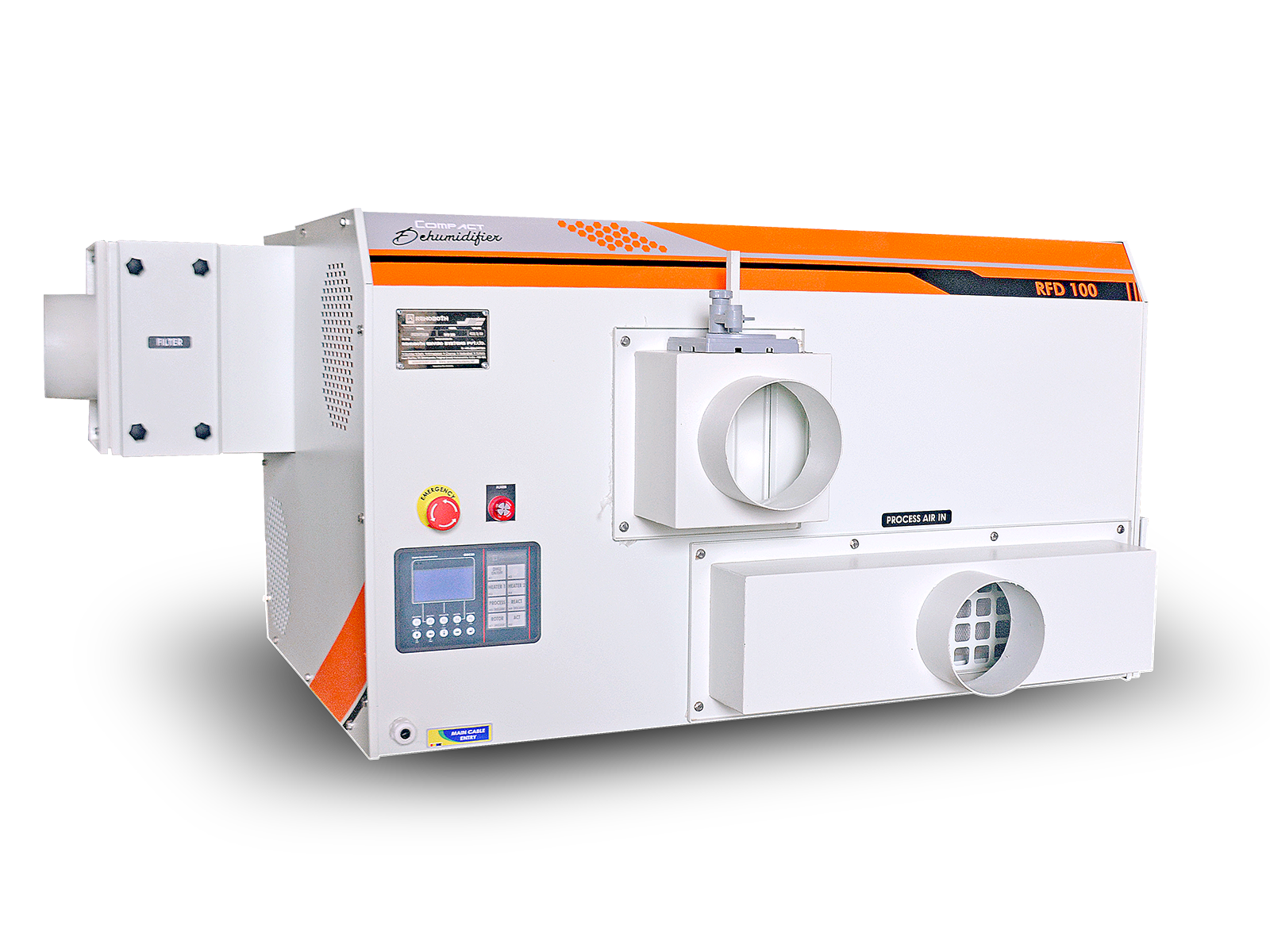
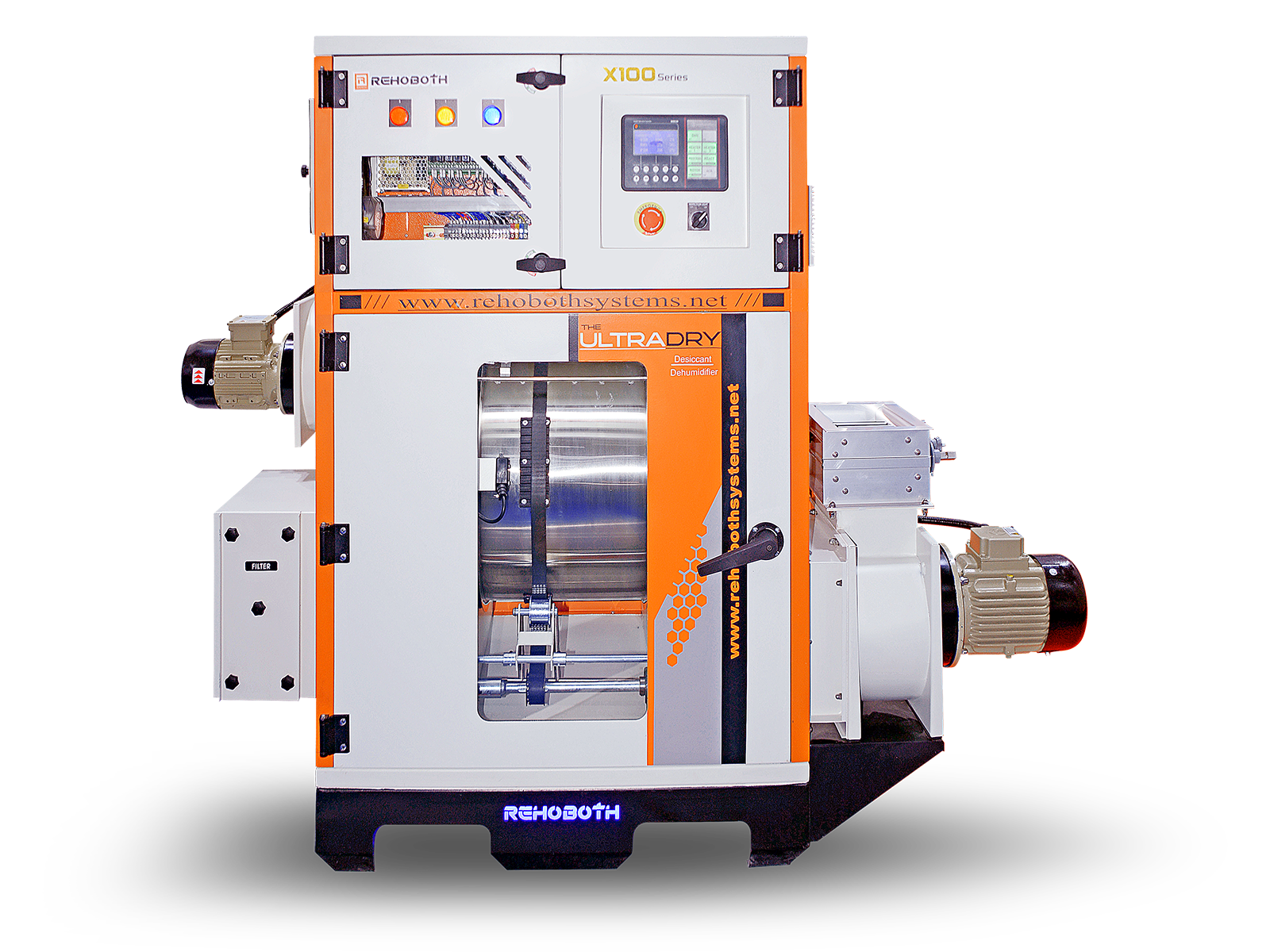
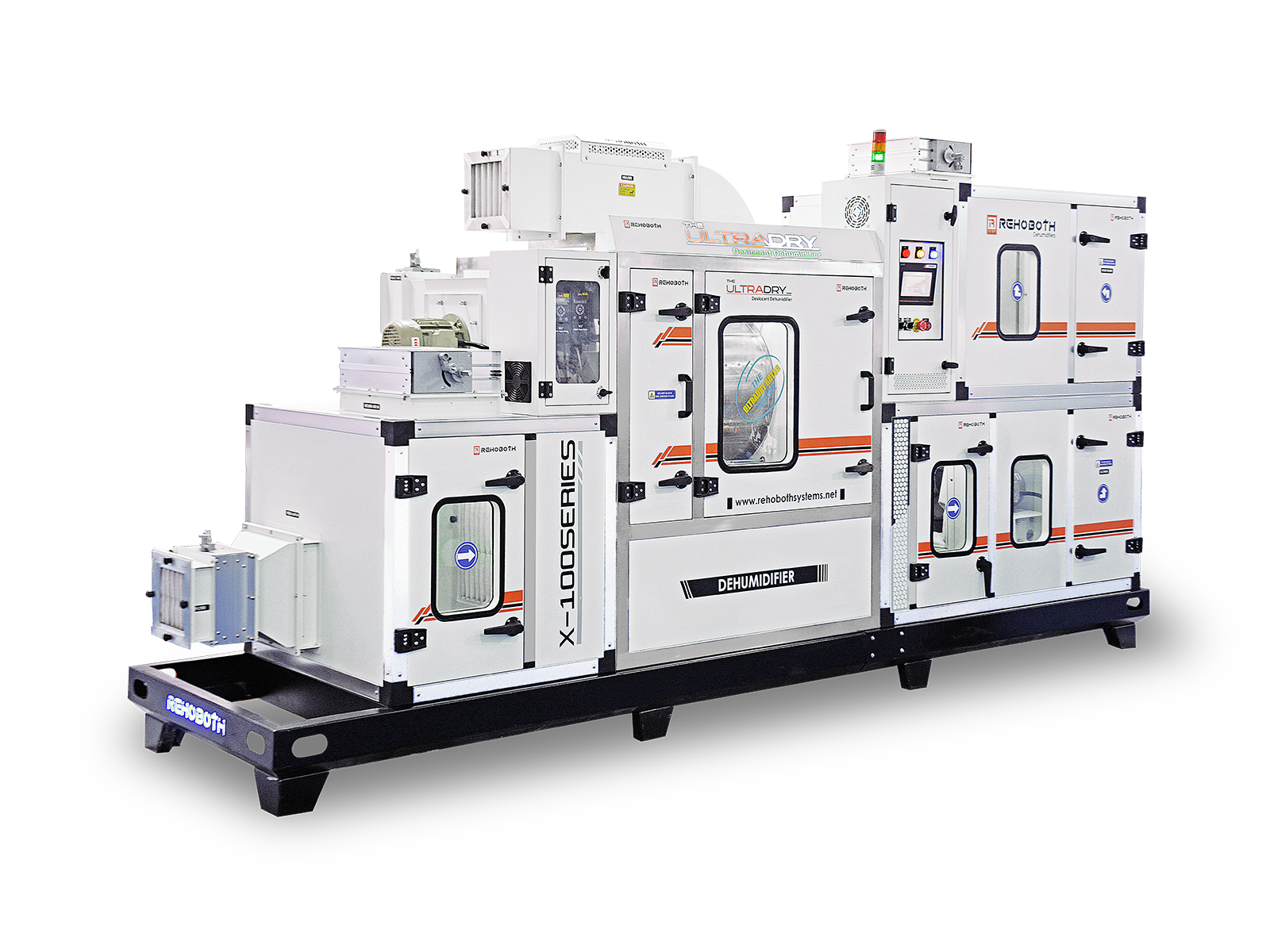
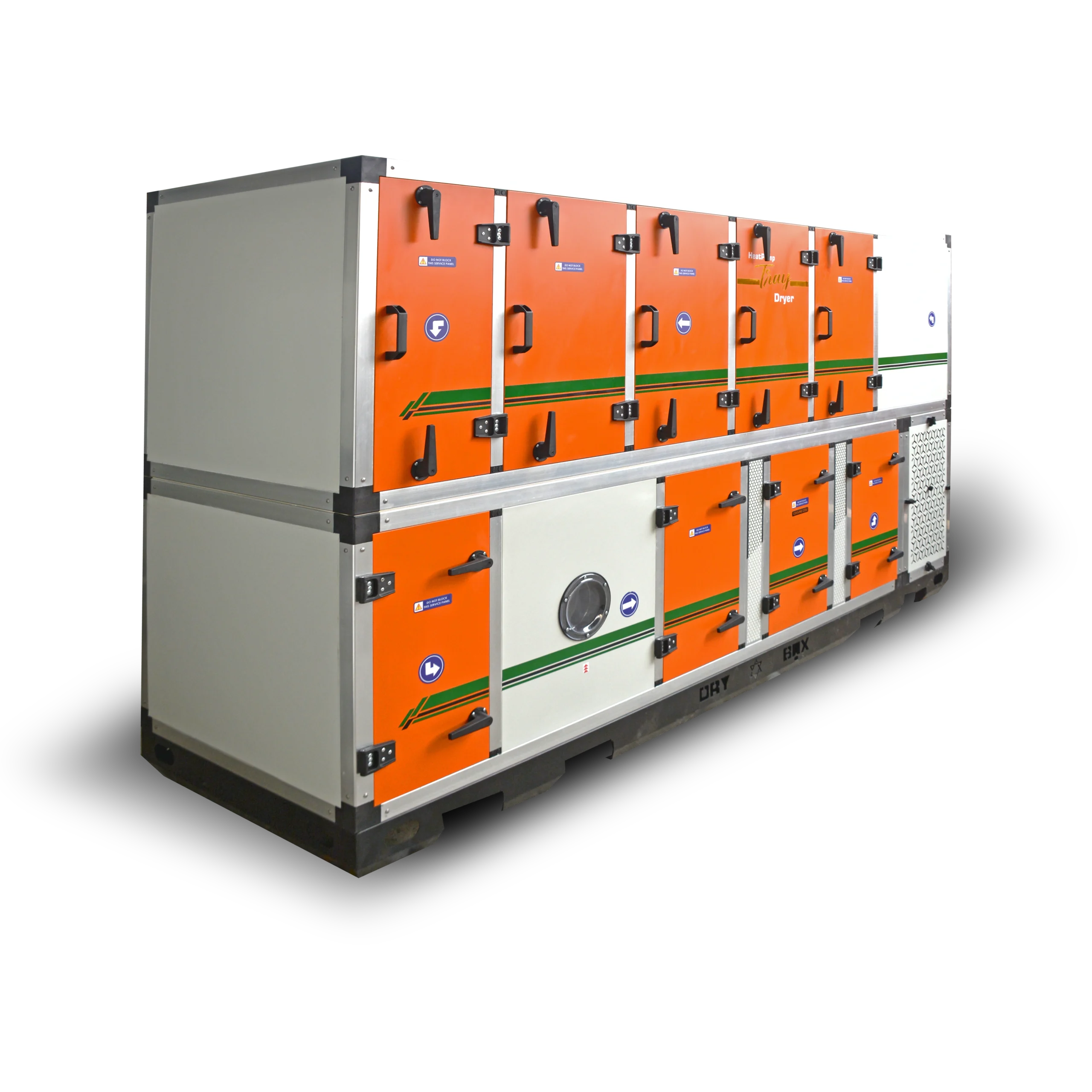
Rehoboth’s Solution: The Desiccant Advantage in Cold Storage Applications
Cold storage is where traditional dehumidification methods fail and desiccant technology becomes absolutely essential.
Why Cold Storage Demands Desiccant Technology
Refrigerant-based dehumidifiers work by chilling coils to condense moisture out of the air. As ambient temperatures drop towards freezing, these coils ice over, and their effectiveness plummets. They are essentially useless below 40°F (4°C). Desiccant systems, which use a moisture-absorbing wheel, are completely unaffected by cold and maintain their full moisture-removal capacity down to -40°F (-40°C) and beyond, making them the only viable solution for freezers and cold storage.
The desiccant difference is transformative:
- Frost and Ice Elimination: Properly applied desiccant dehumidification can reduce frost formation by up to 95%. This eliminates dangerous ice buildup on floors, ceilings, and evaporator coils, improving safety and operational efficiency.
- Freezer Burn Prevention: Freezer burn is caused by moisture migrating out of the product and onto colder surfaces. By keeping the air bone-dry, desiccant systems dramatically reduce this phenomenon, preventing weight loss and preserving product quality.
- Massive Energy Savings: When evaporator coils are free of ice, they operate far more efficiently. This means fewer energy-intensive defrost cycles are needed, often reducing a freezer’s energy consumption by 15-25%.
A major frozen food distributor in the Pacific Northwest faced chronic issues with icy floors and significant product degradation. Their six-warehouse operation was writing off over $400,000 annually due to freezer burn, weight loss, and the excessive energy use of constant defrost cycles. After a phased installation of desiccant dehumidification systems, the results were stunning: freezer burn incidents dropped by 82%, product weight loss was reduced from 3.2% to 0.8%, and annual energy costs fell by $85,000. The entire investment paid for itself in just 14 months.
TL;DR
- Use food processing humidity control to prevent condensation and mold in critical zones.
- Install desiccant dehumidifiers in cold storage to eliminate frost and freezer burn.
- Place dehumidifiers upstream of processing lines to optimize airflow and moisture removal.
- Monitor RH continuously with calibrated sensors to maintain compliance and consistent quality.
- Leverage food processing humidity control audits to spot moisture hotspots and save costs.’
The question is no longer whether you can afford to implement proper humidity control. The real question is how much longer you can afford to operate without it. In 2024, facilities with comprehensive moisture management strategies averaged 40% lower spoilage rates and 25% higher profitability than those without. Achieve low, stable RH for your most sensitive applications—from APIs and coatings to cleanrooms and dry ingredient storage—with Rehoboth’s industry-leading desiccant dehumidifiers. To speak with an engineer about a tailored solution and receive audit-ready documentation, contact REHOBOTH at sales@rbdeh.com or call +91 9811 599 922.
Your Trusted Partner in Temperature and Humidity Control Solutions