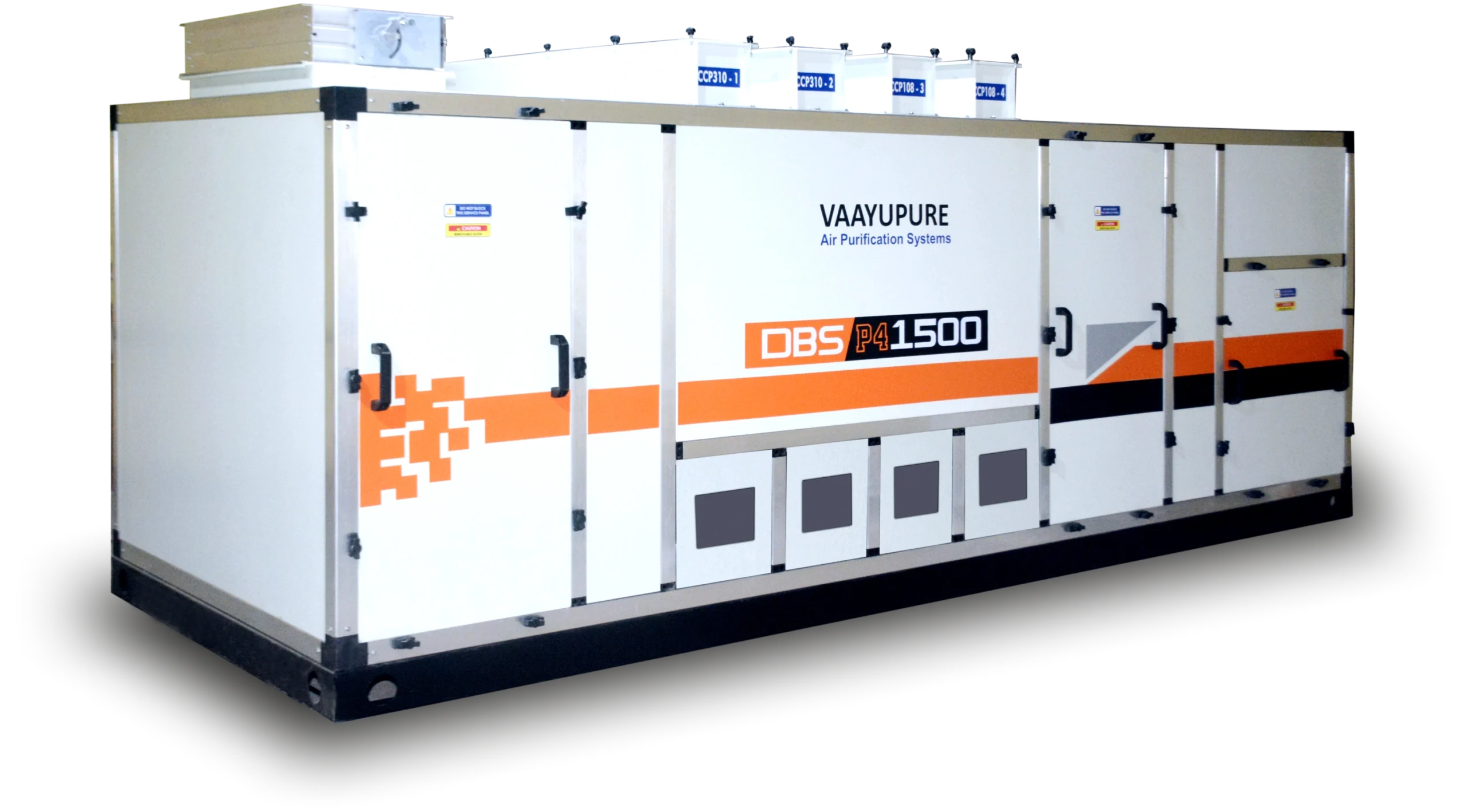
Here’s the thing: when we talk about industrial dehumidifier ROI in India, we’re not just discussing equipment purchases. We’re talking about whether you’re willing to keep writing off millions in preventable losses or invest in a solution that typically pays for itself within 18–36 months. With India’s dehumidifier market projected to grow from USD 132.05 million in 2021 to USD 182.18 million by 2027, more manufacturers are realizing that industrial humidity control isn’t a luxury- it’s a profit protection strategy.
But how do you quantify the invisible? How do you convince stakeholders that spending ₹15–50 lakhs on a dehumidification system will actually save money? Let’s break down the real numbers, because once you see the cost of doing nothing, the ROI becomes crystal clear.
The Silent Profit Killer: What Uncontrolled Humidity Actually Costs Your Plant
Most finance teams see humidity as an operational nuisance, not a P&L line item. That’s the problem.
Let me walk you through the five hidden cost buckets that are bleeding your bottom line right now:
- 1. Scrap and Rework Rates That Quietly Multiply In electronics and precision manufacturing, uncontrolled humidity systematically increases failure rates through ESD and micro-corrosion. Proper humidity control can reduce defect rates by 20–30% in electronics and pharma packaging.
- Downtime You’ve Stopped Questioning Routine rust-related stoppages (8 hours, twice monthly) in a facility generating ₹33 lakhs daily = ₹22 lakhs lost monthly, or ₹2.64 crores annually. Add mold remediation and condensation issues—these “normal” shutdowns are preventable, not inevitable.
- Product Yield Loss That Vanishes Into Thin Air For food and beverage processors, moisture control directly impacts sellable output. Optimal humidity (75–85% RH) in wine/specialty food storage reduces evaporative loss by up to 80%. A 2% weight loss on ₹50 crore throughput = ₹1 crore annual loss.
- Equipment Lifespan You’re Shortening Without Realizing Moisture corrodes electrical panels, motors, and automation components, forcing premature replacement. A ₹25 lakh machine failing at year 10 instead of 15 = ₹8.3 lakhs lost residual value per asset, multiplied across your facility.
- Energy Bills That Keep Climbing High humidity forces HVAC systems to remove both heat and moisture, adding 10–15% to energy consumption in humid industrial climates, while creating inefficiencies elsewhere.
Your Quick Self-Assessment:
Before we move to solutions, ask yourself: Does your plant experience any of these monthly?
– Rejected batches citing “moisture ingress” or “packaging failure”
– Unplanned cleaning/maintenance due to mold, rust, or condensation
– Complaints about product weight variance or shelf-life issues
– Higher-than-expected HVAC costs during monsoon months
If you answered yes to even one, you have a quantifiable humidity problem. And quantifiable problems have calculable solutions.
The ROI Case: Why Industrial Dehumidifiers Pay for Themselves Faster Than You Think
Now, contrast those ongoing losses with the economics of proactive moisture control. This is where the conversation shifts from “Do we need this?” to “Why haven’t we done this already?”
The Core Benefits That Drive ROI
Industrial dehumidifiers- particularly desiccant models suited to India’s variable climate- deliver returns across multiple dimensions: Maximize Your ROI: From Installation to Maintenance for Desiccant Dehumidifiers
Immediate scrap reduction: Plants that implement humidity control in quality-sensitive zones routinely see 15–25% drops in moisture-related defects within the first quarter. For the ₹10 crore/month facility we discussed earlier, that translates to ₹1.2–2 crores in annual scrap savings.
Downtime elimination: By preventing condensation, rust, and mold, properly sized dehumidification systems cut humidity-triggered stoppages by 80–90%. Those two monthly 8-hour shutdowns? Reduced to perhaps one or two per year, saving ₹2+ crores annually.
Asset protection and longevity: Controlled humidity extends equipment life, reduces maintenance frequency, and protects your capital investment. Think of it as buying an insurance policy that actually makes you money by preventing claims.
Energy efficiency gains: Modern desiccant dehumidifiers with heat recovery can actually reduce total HVAC load by handling latent moisture removal more efficiently than oversized chillers. Energy savings of 5–10% are common, worth ₹10–20 lakhs/year in our example plant.
Quality consistency and customer retention: Fewer defects mean fewer returns, stronger quality certifications, and the ability to command premium pricing. This softer ROI is harder to quantify but often the most valuable long-term.
Desiccant vs. Refrigerant: Choosing the Right Technology for Indian Conditions
Here’s where it gets tactical. Not all dehumidifiers deliver the same ROI in Indian manufacturing environments.
Refrigerant dehumidifiers work well in moderate humidity (up to ~60% RH) and warmer spaces. They’re energy-efficient at removing moisture by cooling air below its dew point. Great for many commercial applications, but they struggle in cooler spaces or when you need to hit very low humidity targets.
Desiccant dehumidifiers use a moisture-absorbing rotor and are ideal for:
– Low-temperature environments (cold storage, pharma clean rooms)
– Very low humidity requirements (electronics, lithium battery manufacturing)
– Variable conditions (India’s monsoon swings)
– High-volume industrial spaces
For most Indian industrial applications- especially pharma, electronics, food processing, and precision manufacturing- desiccant systems offer superior performance and faster payback because they handle the extreme humidity swings and low-temperature zones where refrigerant units fail.
How to Calculate Your Dehumidifier ROI: A Step-by-Step Framework for Indian Manufacturers
Alright, here’s where we get practical. You need numbers that will survive scrutiny in a budget review. Here’s the exact framework to build your business case.
Step 1: Baseline Your Current Humidity-Related Losses
You can’t measure ROI without knowing what you’re currently losing. Audit the past 12 months and quantify:
- Scrap and rework costs attributed to moisture (check rejection logs for “moisture ingress,” “corrosion,” “packaging failure,” “ESD damage”)
- Downtime hours from humidity-related issues (rust cleaning, mold remediation, condensation delays) × your hourly production value
- Excess energy consumption during high-humidity months (compare HVAC bills May–September vs. drier months)
- Maintenance and early replacement costs for humidity-damaged equipment (get this from your maintenance CMMS)
Formula:
Annual Humidity Loss = (Scrap Value + Downtime Cost + Excess Energy + Accelerated Maintenance)
For most mid-sized plants, this number lands between ₹50 lakhs and ₹5 crores. If you’re not sure, start with a conservative estimate: assume 5% of your total annual losses are humidity-related, then validate with production and quality data.
Step 2: Estimate Your Savings with Humidity Control
Based on industry benchmarks and dehumidifier capacity planning guides, estimate how much of your baseline loss you can eliminate:
Formula:
Annual Savings = (Scrap Reduction + Downtime Savings + Energy Savings + Maintenance Savings)
Be conservative in your first-pass estimate. It’s better to under-promise and over-deliver.
Step 3: Calculate Total Cost of Ownership
Get quotes for industrial dehumidifiers sized to your space. Proper sizing is critical- undersized units won’t deliver results; oversized units waste capex and energy.
Initial Costs:
– Equipment purchase
– Installation and ducting
– Controls and integration
Annual Operating Costs:
– Energy consumption (desiccant units: 0.5–1.5 kW per kg/hr of moisture removal; get exact specs from vendors)
– Maintenance
– Monitoring and controls
Formula:
Total First-Year Cost = Initial Capex + Year 1 OpEx
Step 4: Run the ROI and Payback Calculation
Now the simple math that makes (or breaks) the business case:
ROI Formula:
ROI (%) = [(Annual Savings – Annual OpEx) / Initial Capex] × 100
Payback Period:
Payback (years) = Initial Capex / (Annual Savings – Annual OpEx)
Step 5: Sensitivity Analysis for Stakeholder Confidence
CFOs love this part. Show what happens if your savings estimates are off: