
The Hidden Enemy: Protecting Sensitive Electronics from Moisture Damage and Static Discharge

Picture this: It’s 3 AM, and you’re staring at a production line that’s been shut down for six hours. The culprit? A batch of high-value PCBs that failed quality testing due to microscopic moisture damage that wasn’t visible until after the reflow process. The financial hit? Over $200,000 in scrapped components, delayed shipments, and emergency overtime costs.
This scenario plays out more often than you’d think in electronics manufacturing facilities worldwide. The invisible enemies—moisture and static discharge—are silently wreaking havoc on production yields, warranty claims, and bottom lines. Yet many manufacturers still treat humidity control as an afterthought rather than the critical production parameter it truly is.
Here’s what makes this particularly frustrating: these failures are entirely preventable with proper precision humidity control for electronics manufacturing. The technology exists, the standards are well-established, and the ROI is proven. What’s missing is often just the knowledge of how to implement these systems effectively.
In this deep dive, we’ll uncover the real cost of ignoring moisture and static control, explore the latest industry standards, and reveal how cutting-edge dry room technology is transforming electronics manufacturing. You’ll walk away with actionable strategies that can immediately improve your yield rates and long-term device reliability.
The Dual Threat: Moisture Damage & Static Discharge
Think of moisture and static discharge as the perfect storm for electronics manufacturing disasters. They don’t just work independently—they amplify each other’s destructive potential in ways that can catch even experienced quality engineers off guard.
Moisture’s Mechanisms of Destruction
Moisture attacks electronics through three primary pathways, each more insidious than the last. First, there’s corrosion—the slow, steady oxidation of metal traces and connections that starts the moment humidity levels exceed safe thresholds. Research shows that even slight humidity fluctuations can trigger corrosion processes that compromise long-term reliability.
Then comes delamination, where moisture seeps between layers of multi-layer PCBs, creating weak points that fail under thermal stress. But perhaps most dramatic is popcorning—the sudden vaporization of absorbed moisture in semiconductors during reflow soldering. The name comes from the actual popping sound components make as they literally explode from internal pressure.
Static Discharge: The Invisible Destroyer
Static discharge operates differently but just as destructively. When relative humidity drops below 35%, dry air becomes an excellent insulator, allowing static charges to build up on surfaces, equipment, and even workers. Studies indicate that ESD events increase dramatically in low-humidity environments, often causing microscopic damage that doesn’t manifest as immediate failures but significantly reduces component lifespan.
The Amplification Effect
Here’s where it gets really interesting: moisture and static don’t just coexist—they interact. High humidity can create conductive paths that lead to short circuits and galvanic corrosion. Low humidity increases static buildup while making components more brittle and susceptible to mechanical stress. It’s a lose-lose situation that demands precision control.
The sweet spot? Maintaining relative humidity between 35-55%—tight enough to prevent static buildup while avoiding moisture-induced failures. But achieving this consistently across an entire production facility requires more than just a basic HVAC system.
How Humidity Impacts Electronics Manufacturing Yields
Let’s get specific about where humidity hits your bottom line hardest. On the manufacturing floor, uncontrolled moisture creates a cascade of quality issues that compound throughout the production process.
Solder Joint Failures: The Hidden Yield Killer
Excess humidity during PCB assembly creates moisture pockets that turn into voids during reflow soldering. These voids weaken solder joints and create intermittent connections that pass initial testing but fail in the field. Industry data reveals that facilities implementing precision humidity control see immediate improvements in solder joint quality, with some reporting 30% reductions in field failures within six months.
What makes this particularly costly is the timing—these failures often don’t surface until products reach customers, triggering warranty claims, returns, and reputation damage that far exceeds the original component cost.
Corrosion: The Long-Term Reliability Threat
Ionic contaminants on PCB surfaces become active in the presence of moisture, creating electrochemical reactions that gradually degrade traces and component leads. This process is especially accelerated in the presence of flux residues and environmental pollutants that are nearly impossible to eliminate completely.
The insidious nature of humidity-induced corrosion means problems often don’t appear for months or years after manufacturing. By then, tracing the root cause back to humidity control becomes nearly impossible, making prevention the only viable strategy.
JEDEC Popcorning: When Components Literally Explode
Moisture-sensitive devices (MSDs) absorb water vapor from the air, and this absorbed moisture turns to steam during high-temperature processes like reflow soldering. The resulting internal pressure can cause package cracking, wire bond damage, and complete component failure.
JEDEC standards classify components into moisture sensitivity levels (MSL 1-6), with each level specifying maximum exposure times at different humidity levels. Violate these specifications, and you’re essentially gambling with your yield rates.
Quick Win Strategy: Start by auditing your current humidity levels with calibrated sensors placed throughout your production line. Many facilities discover they have significant humidity variations between different areas—knowledge that immediately identifies the highest-risk zones for targeted improvements.
ESD Prevention Strategies in Cleanroom Humidity Control
Managing electrostatic discharge in controlled environments requires a sophisticated understanding of how humidity, materials, and human factors interact. It’s not enough to simply maintain target humidity levels—you need integrated systems that address the complete ESD threat model.
RH Setpoint Optimization: Finding the Balance
The traditional 35-55% RH range provides a starting point, but modern electronics manufacturing often requires tighter control. Advanced facilities now target ±1-2% accuracy to eliminate the humidity fluctuations that can trigger both moisture absorption and static charge accumulation.
Consider the physics: at 30% RH, a person walking across a typical floor can generate 12,000 volts of static electricity. At 55% RH, that same action generates less than 250 volts—well below the damage threshold for most semiconductor devices.
Materials and Infrastructure Integration
Conductive flooring, ESD-safe workstations, and ionization systems work synergistically with humidity control to create comprehensive static protection. But here’s what many facilities miss: these systems are humidity-dependent. Conductive materials become less effective in very dry conditions, while ionizers can become unstable in high humidity.
The key is designing integrated systems where humidity control, ionization, and material selection work together rather than competing against each other.
Real-Time Monitoring and Response
Modern ESD control goes beyond periodic testing to continuous monitoring of both humidity and static charge levels. IoT-enabled sensors now provide real-time alerts when conditions drift outside acceptable ranges, enabling immediate corrective action before defects occur.
Implementation Checklist:
- Install humidity sensors every 20 feet in critical areas
- Deploy walking-test ESD monitors at workstation entries
- Implement automated alerts for humidity deviations >2%
- Establish daily verification protocols for ionizer performance
- Create humidity/ESD correlation tracking for yield analysis
Meeting Industry Standards: JEDEC & IPC Compliance
Compliance isn’t just about passing audits—it’s about implementing proven methodologies that protect your products and your reputation. The latest revisions of key standards reflect years of industry learning about the critical role of environmental controls.
JEDEC J-STD-033: The Moisture Sensitivity Bible
The JEDEC standard defines six moisture sensitivity levels, each with specific requirements for storage, handling, and exposure times. What many manufacturers don’t realize is that these aren’t just guidelines—they’re based on extensive failure analysis data that directly correlates humidity exposure with field failure rates.
MSL 1 components can handle unlimited floor life at ≤85°C/85% RH, while MSL 6 components require immediate use after removal from moisture barrier bags. Understanding and implementing proper MSL tracking has become essential for major OEM qualification, with digital tracking systems now standard practice.
IPC-1601: ESD Control Program Requirements
The IPC standard goes beyond component protection to address systemic ESD control, including training, documentation, and continuous monitoring requirements. Recent updates emphasize the integration of humidity control with traditional ESD measures, recognizing that environmental controls are fundamental to program success.
Key compliance elements include:
- Documented humidity control procedures
- Regular calibration of monitoring equipment
- Personnel training on humidity-ESD interactions
- Corrective action protocols for environmental deviations
Audit Preparation: Avoiding Common Pitfalls
The top five nonconformances in humidity/ESD audits are surprisingly consistent across facilities:
- Inadequate documentation of humidity monitoring procedures
- Inconsistent calibration records for environmental sensors
- Lack of correlation between humidity data and quality metrics
- Insufficient personnel training on MSL handling procedures
- Missing corrective action records for environmental deviations
Pro Tip: Create digital dashboards that automatically correlate humidity data with yield metrics. Auditors love seeing proactive data analysis that demonstrates continuous improvement rather than just compliance checking.
Advanced Solutions: Dry Rooms & Precision Dehumidification
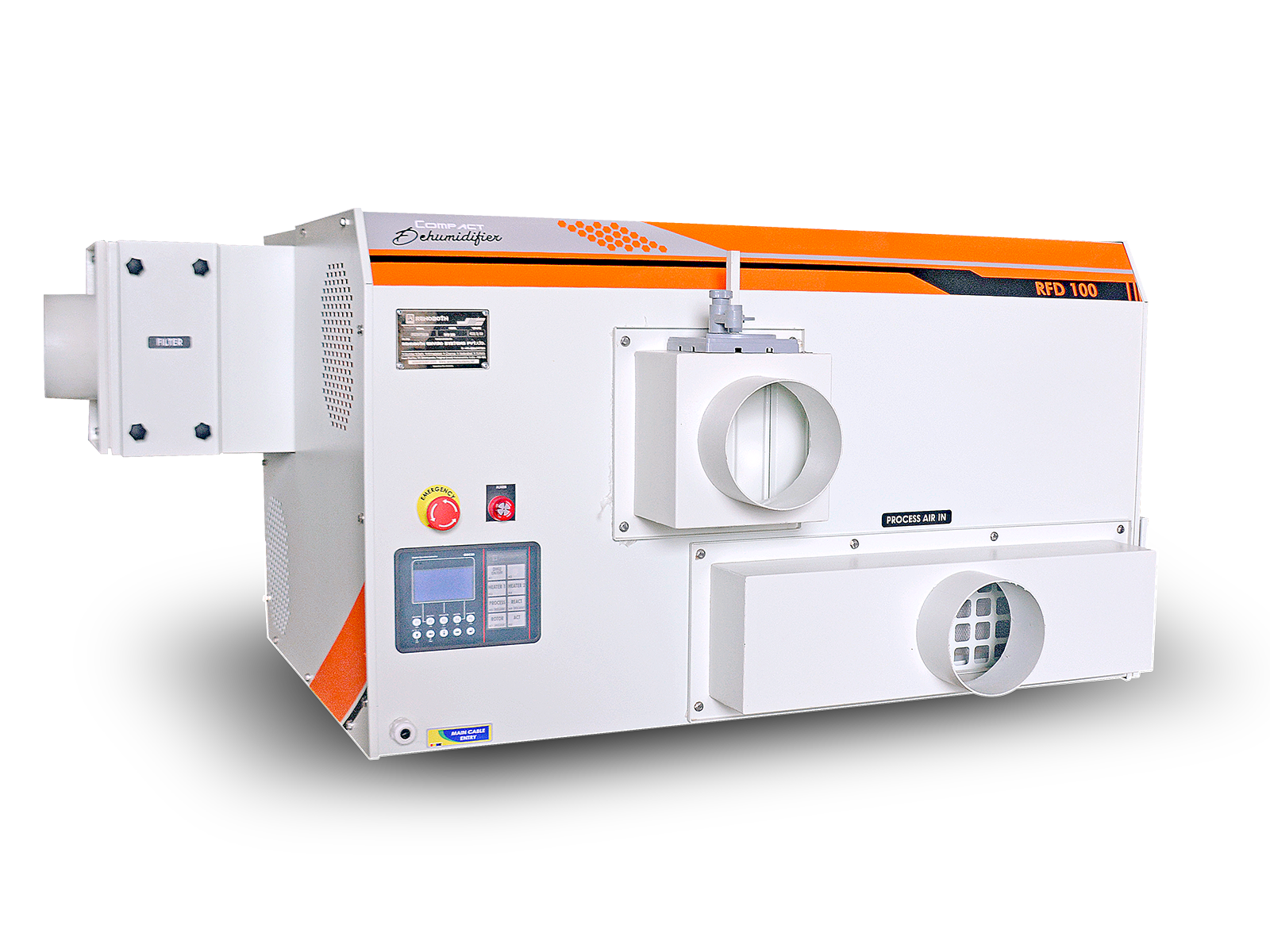
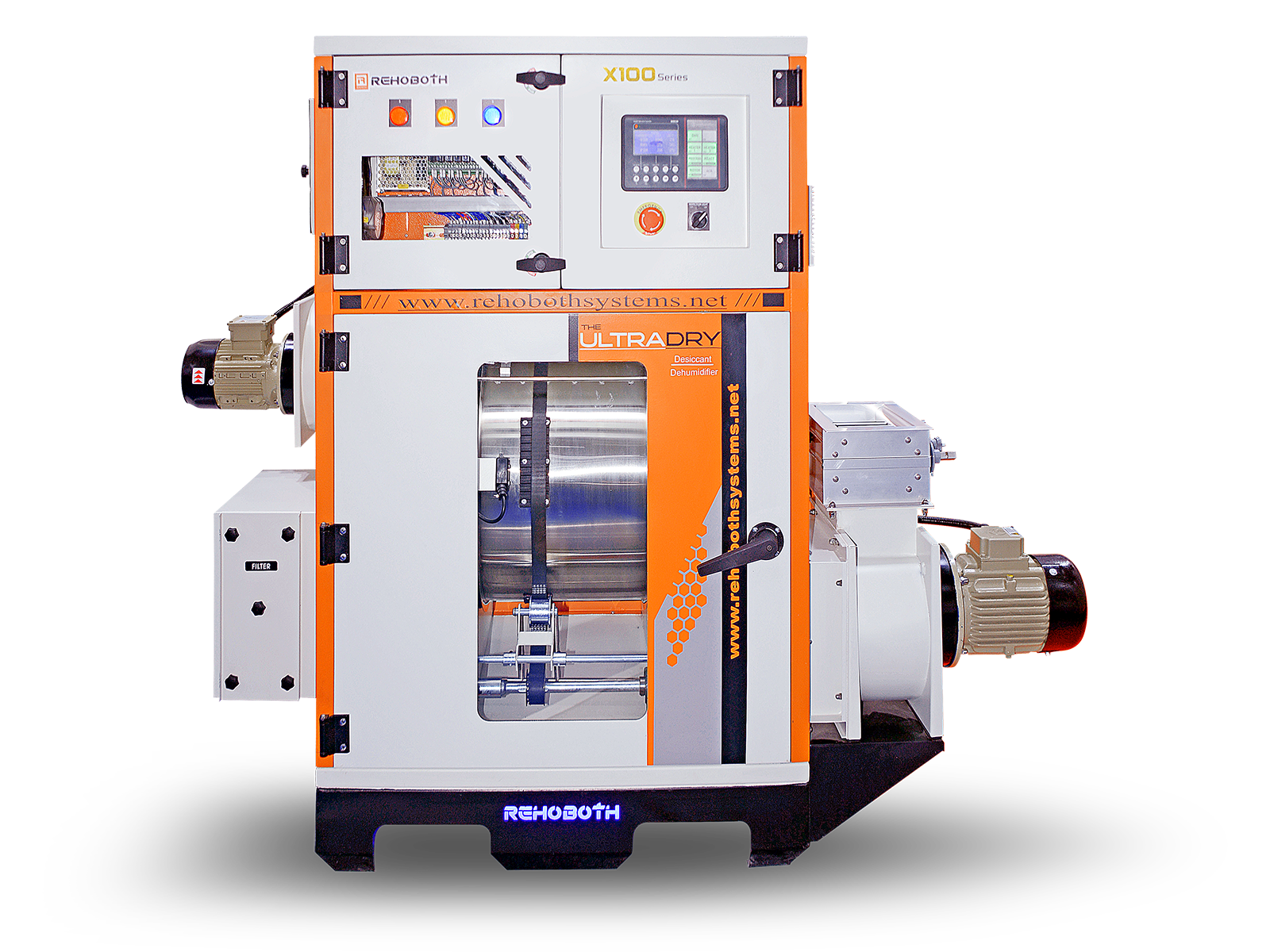
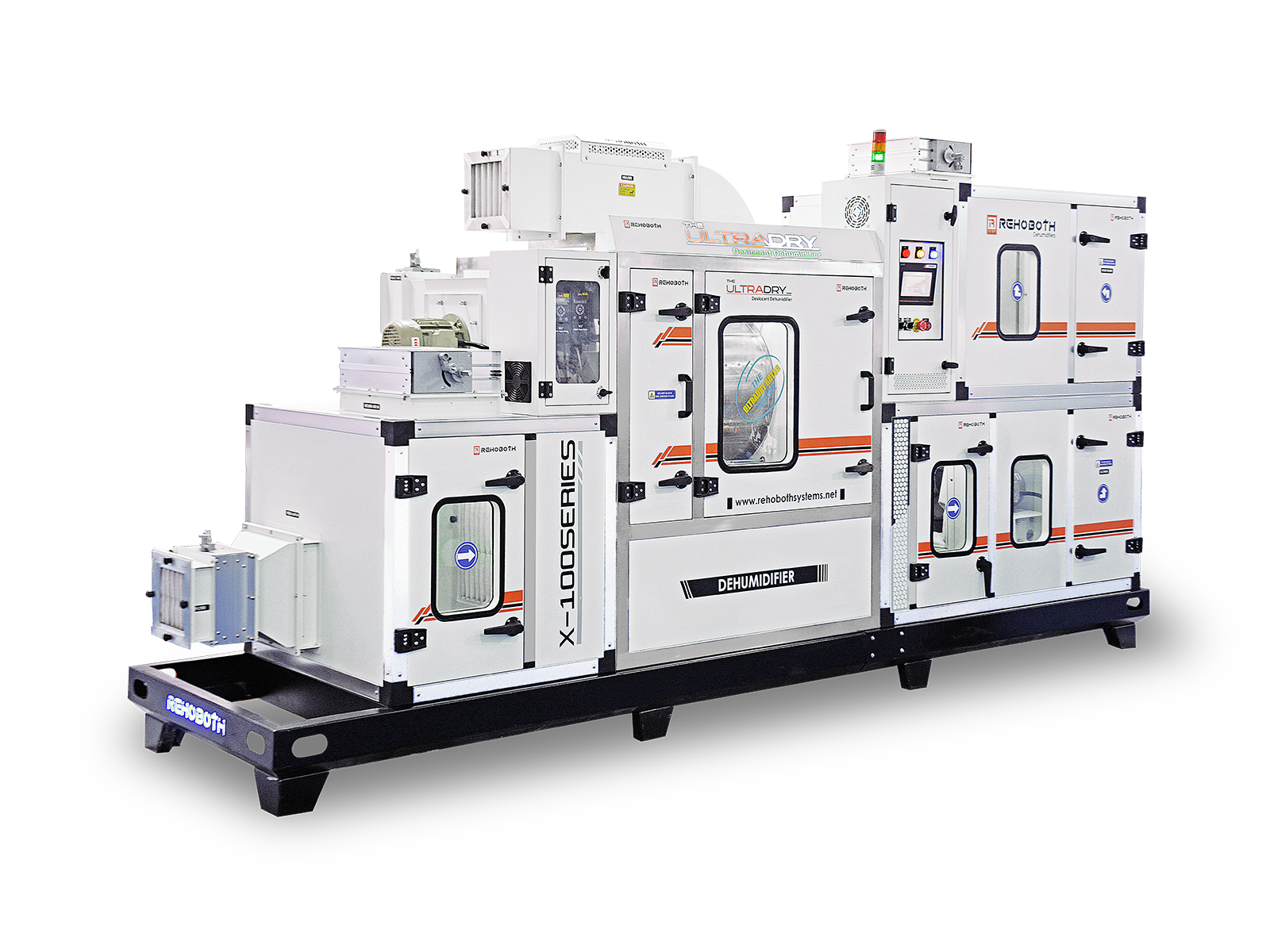
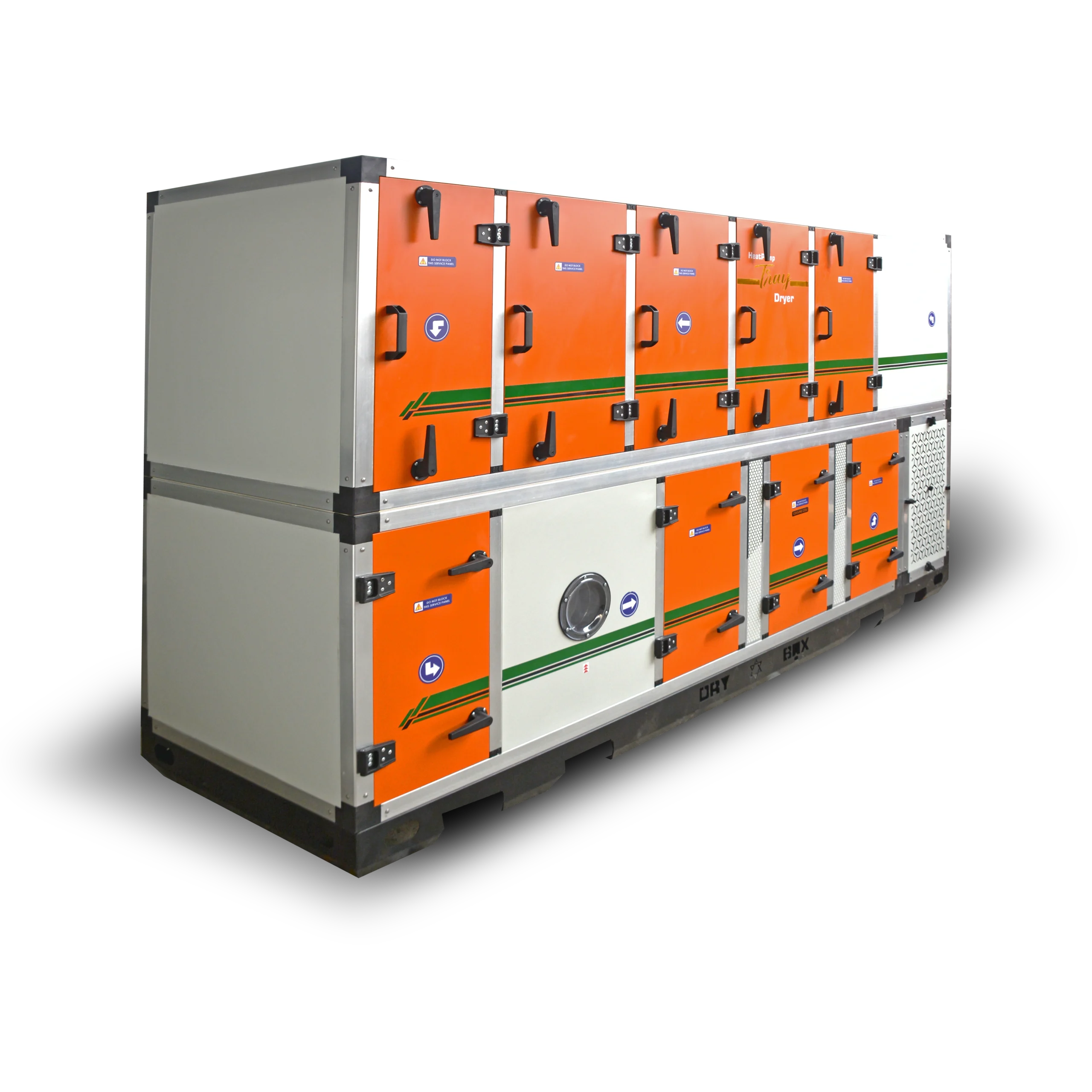
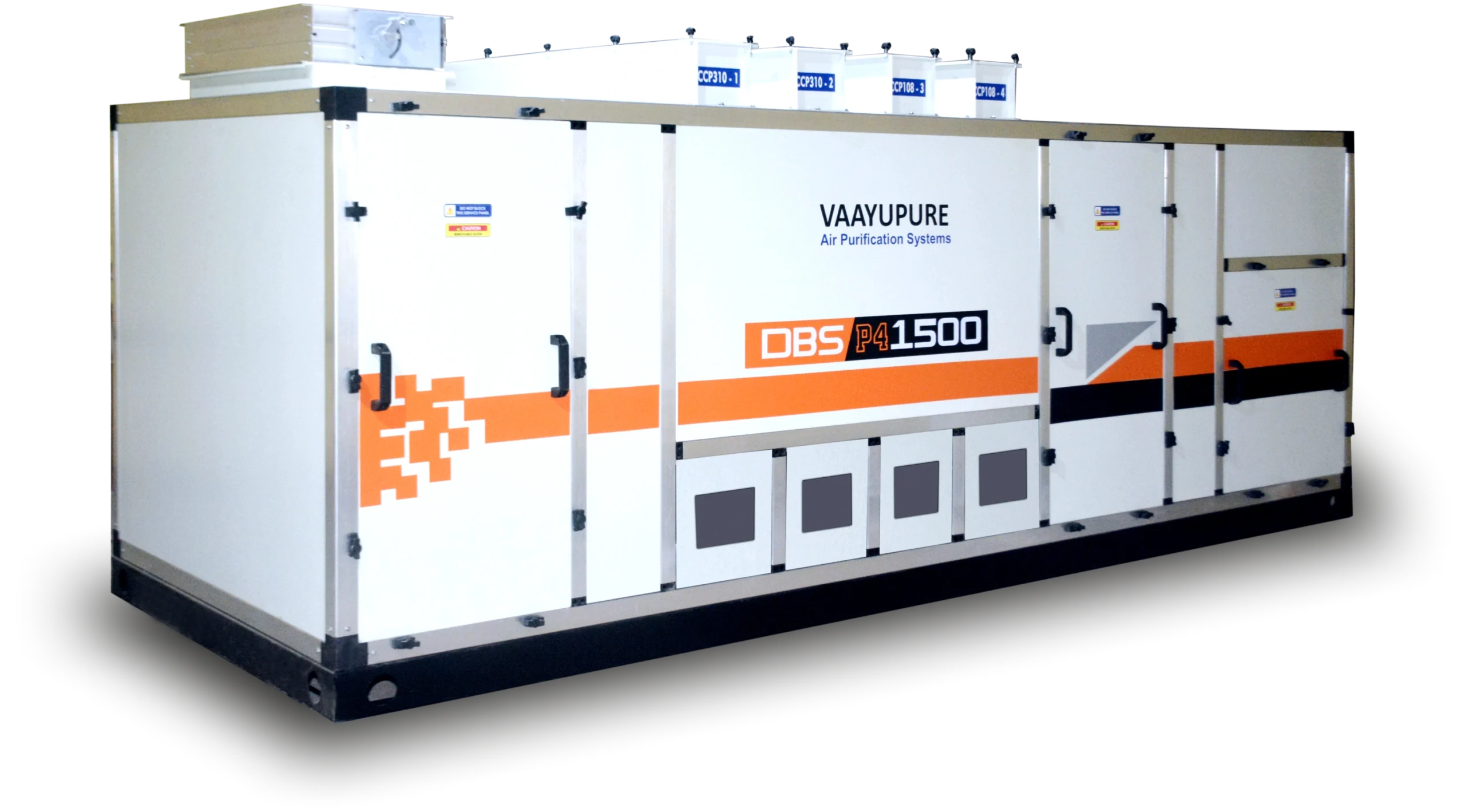
When standard HVAC systems aren’t sufficient, advanced dehumidification technology becomes essential. Modern dry rooms and precision humidity control systems represent a quantum leap in capability, offering the tight control required for next-generation electronics manufacturing.
Dry Room Technology: Beyond Traditional Cleanrooms
Dry rooms maintain dewpoints as low as -40°C, creating environments where moisture-sensitive processes can operate without time constraints. Unlike dry cabinets that protect stored components, dry rooms enable continuous manufacturing operations in ultra-low humidity conditions.
The technology has evolved significantly in recent years. Modern systems use molecular sieve desiccants with automated regeneration cycles, maintaining consistent dewpoints while minimizing energy consumption. Integration with building management systems enables predictive maintenance and optimization based on production schedules.
Precision Dehumidifier Specifications
Today’s advanced dehumidification systems offer capabilities that would have been impossible just a few years ago. Variable capacity control maintains precise setpoints regardless of load changes, while redundant systems ensure continuous operation even during maintenance periods.
Energy efficiency has become a critical selection criterion, with leading systems offering up to 30% lower energy consumption compared to 2020 models. Heat recovery systems capture energy from the dehumidification process, reducing overall facility energy costs while maintaining precise environmental control.
IoT Integration and Predictive Analytics
The latest systems incorporate machine learning algorithms that predict humidity fluctuations based on production schedules, weather patterns, and historical data. This predictive capability enables proactive adjustments that maintain stable conditions while optimizing energy usage.
Remote monitoring capabilities allow facility managers to track performance across multiple locations, identifying optimization opportunities and potential issues before they impact production. Mobile alerts ensure immediate response to any deviations from target conditions.
ROI Calculation Framework:
- Baseline yield loss costs (defects, rework, warranty claims)
- Energy savings from efficient dehumidification
- Reduced downtime from predictive maintenance
- Increased throughput from eliminated humidity delays
- Quality improvements enabling premium pricing
Case Study: Transforming Battery Manufacturing Through Precision Control
Sometimes the best way to understand the impact of precision humidity control is through real-world results. A leading lithium-ion battery manufacturer faced mounting quality issues that threatened their position with major automotive OEMs.
The Challenge: Moisture in Battery Manufacturing
The facility was experiencing 12% PCBA reject rates, primarily due to moisture-related defects in battery management system assemblies. Traditional HVAC systems couldn’t maintain the tight humidity control required for their advanced manufacturing processes, and static discharge events were causing intermittent failures that didn’t surface until final testing.
Customer complaints were escalating, warranty costs were mounting, and the facility was at risk of losing key contracts. Something had to change, and fast.
The Solution: Integrated Dry Room Implementation
Working with environmental control specialists, the facility implemented a comprehensive 3,000 square foot dry room with -40°C dewpoint capability. The system included:
- Molecular sieve dehumidification with automated regeneration
- ESD-safe flooring throughout the controlled area
- Real-time monitoring with automated alerts
- Integration with existing building management systems
- Redundant systems to ensure continuous operation
The installation took just six weeks, with production continuing in adjacent areas during construction.
Results That Speak Volumes
The transformation was dramatic and immediate. PCBA reject rates dropped from 12% to 2.4%—an 80% reduction that exceeded even optimistic projections. Static-related issues virtually disappeared, falling by 95% in the first month of operation.
But the financial impact told the real story. Warranty claims dropped by over $100,000 annually, while improved yields increased effective capacity by 15% without additional equipment investment. The project delivered full payback in just 14 months, well ahead of the projected 24-month timeline.
“The impact was immediate and transformative,” reports the facility’s quality manager. “We went from fighting daily quality issues to having the most stable production metrics in our company’s history. Our customers noticed the improvement before we even told them about the upgrades.”
Lessons Learned and Best Practices
The success came from treating humidity control as a complete system rather than an add-on to existing processes. Key factors included:
- Comprehensive baseline measurement before system design
- Integration with existing quality management systems
- Extensive personnel training on new procedures
- Continuous monitoring and optimization post-installation
- Regular correlation analysis between environmental and quality data
The facility now serves as a model for other locations, with the parent company standardizing similar systems across their global manufacturing network.
The Future of Environmental Control in Electronics Manufacturing
Looking ahead, the integration of artificial intelligence and predictive analytics is transforming how facilities approach humidity and static control. AI-driven systems can now predict environmental needs based on production schedules, weather forecasts, and historical performance data.
Machine learning algorithms identify patterns that human operators might miss, optimizing energy usage while maintaining tighter control than ever before. These systems learn from every production run, continuously improving their predictive accuracy and operational efficiency.
The trend toward Industry 4.0 manufacturing is driving demand for environmental control systems that integrate seamlessly with other production technologies. Modern systems provide the data transparency and control precision required for lights-out manufacturing operations.
Your Next Steps: Implementing Precision Humidity Control
Ready to transform your electronics manufacturing operation? Start with these immediate actions that can deliver results within weeks:
- Week 1: Conduct a comprehensive humidity audit using calibrated sensors placed throughout your production areas. Document current conditions and identify variation patterns.
- Week 2: Correlate existing quality data with environmental conditions to quantify the current impact of humidity variations on your yields.
- Week 3: Benchmark your current performance against industry standards and identify the highest-impact improvement opportunities.
- Week 4: Develop a phased implementation plan that addresses critical areas first while building toward comprehensive environmental control.
The technology exists to eliminate moisture and static discharge as sources of quality problems in your facility. The standards provide proven frameworks for implementation. The ROI data demonstrates clear financial benefits. What’s needed now is action.
Don’t let invisible enemies continue undermining your production quality and profitability. Precision humidity control for electronics manufacturing isn’t just a nice-to-have capability—it’s becoming essential for competitive survival in an industry where quality expectations continue rising while margins remain under pressure.
The question isn’t whether you can afford to implement precision humidity control. The question is whether you can afford not to. Your yields, your customers, and your bottom line are waiting for your answer.
Ready to take the next step? Contact our environmental control specialists for a free facility assessment and customized ROI analysis. Discover how precision humidity control can transform your electronics manufacturing operation from reactive quality management to proactive excellence.
Learn proven strategies for eliminating costly moisture damage and static failures with precision humidity control for electronics manufacturing to boost yields, reliability, and ROI fast.
TL:DR & Next Steps
- Audit facility humidity variations with calibrated sensors every 20 feet for immediate risk insight
- Maintain precision humidity control for electronics manufacturing at 35–55% RH for static prevention
- Implement real-time IoT alerts to correct humidity drifts exceeding ±2% instantly on the line
- Integrate ESD-safe flooring and ionizers with humidity control for consistent static discharge protection
- Track humidity and yield metrics in digital dashboards to identify improvement opportunities quickly
Ensure every batch meets spec—achieve low, stable RH for APIs, coatings, and cleanrooms with Rehoboth’s pharma‑ready desiccant dehumidifiers. Speak to an engineer for a tailored solution and audit‑ready documentation. REHOBOTH at Email- sales@rbdeh.com, cmnarang@gmail.com / Phone- +91 9811 599 922.
Your Trusted Partner in Temperature and Humidity Control Solutions