Downtime from poor humidity control can cost industrial facilities tens of thousands of dollars per hour, not to mention the risk to product quality and safety. In 2025, with energy prices up 8% year-over-year and sustainability mandates tightening, every facility manager is under pressure to deliver more value from their assets. That’s where desiccant dehumidifier maintenance becomes a critical ROI lever.
Here’s what most facility managers don’t realize: the difference between a dehumidifier that drains your budget and one that protects your bottom line isn’t the equipment itself- it’s how you maintain it. This guide offers a step-by-step plan to eliminate waste, extend equipment life, and cut energy bills, covering everything from installation best practices to advanced optimization and expert support. You’ll find actionable checklists, real-world case studies, and the latest industry data to help you turn your dehumidification system into a profit cente
Picture this: You’re the curator at a prestigious museum, and you walk into your climate-controlled vault on a Monday morning to find something that makes your heart sink. The rare 18th-century manuscripts you’ve been safeguarding for decades are covered in a fine layer of mold. The air feels thick, almost sticky. Your weekend humidity alarm never went off, but somehow, the relative humidity spiked to 70% during a particularly muggy summer weekend.
This isn’t a hypothetical nightmare- it’s a reality that happened to a celebrated European museum in 2024, making international headlines and prompting a sector-wide review of humidity protocols. The incident serves as a stark reminder that when it comes to archival preservation, precise environmental control isn’t just recommended- it’s absolutely critical.
Here’s what most people don’t realize: over 60% of archival losses trace back to uncontrolled humidity, not temperature fluctuations, natural disasters, or even human error. While we often focus on keeping things “cool,” the real unsung hero of long-term preservation is maintaining precise relative humidity (RH) levels. And in today’s world of increasingly unpredictable weather patterns and aging HVAC systems, understanding humidity control in archival storage has never been more important.
Let’s clear up a common misconception right away. Most people think that if they’ve got their archive’s temperature under control, they’re golden. But here’s the thing- temperature control without humidity management is like having a car with great brakes but no steering wheel. You might feel like you’re in control, but you’re headed for trouble.
Relative humidity is the percentage of water vapor present in air compared to the maximum it could hold at that temperature. Think of it like a sponge: warm air can hold more moisture (like a bigger sponge), while cool air holds less (smaller sponge). When temperature changes without humidity control, that “sponge” suddenly changes size, and your precious materials bear the brunt of those fluctuations.
Modern archival standards have evolved significantly, and the target RH ranges are more specific than ever:
But here’s where it gets interesting- achieving these ranges isn’t just about buying a dehumidifier and calling it a day. Professional archivists now rely on digital RH sensors with ±1% accuracy and cloud-based monitoring systems that can alert them to problems before they become disasters. While simple hygrometers are still useful for spot checks, they’re like using a flip phone in a smartphone world- they’ll work, but you’re missing out on crucial capabilities.
The reality is that even a modest 2-5°F temperature change can shift RH by 10% or more, which is why automated humidity control systems have become the gold standard for serious preservation efforts.
When humidity levels climb above 60%, you’re essentially rolling out the red carpet for destruction. And I’m not being dramatic here- the science is crystal clear on this.
Mold growth can begin within 48 hours when RH exceeds 60%. Within 72 hours, you’ll start seeing visible growth, and by week one, you’re looking at a full-blown outbreak that can destroy centuries of irreplaceable materials. The International Institute for Conservation reported an 18% increase in mold outbreaks in archives during 2024, directly correlating with above-average summer humidity in affected regions.
But mold isn’t the only villain in this story. High humidity creates a perfect storm of threats:
Here’s a real-world example that drives this home: A regional archive in the US Midwest discovered a fungal outbreak spreading through their Civil War document collection in summer 2024. Within 72 hours of installing portable desiccant dehumidifiers, they managed to reduce RH from a dangerous 65% to a safe 45%, effectively halting the outbreak and saving thousands of irreplaceable documents.
The key takeaway? Integrated pest monitoring systems with humidity alarms are now considered essential, not optional, for any serious archival operation.
Now, before you think the solution is simply “dry everything out,” let me stop you right there. Humidity that’s too low creates its own set of nightmares that can be just as devastating as mold.
When RH drops below 30%, cellulose fibers in paper and textiles begin losing their flexibility. Think about what happens to a rubber band that’s been sitting in a drawer for years- it becomes brittle and snaps at the slightest tension. The same thing happens to your documents, but the damage is irreversible.
The signs of desiccation are often subtle at first: pages that feel unusually stiff, book covers that crack when opened, or textiles that seem to “crunch” when handled. By the time these symptoms are obvious, significant damage has already occurred.
Both ISO 11799 and NARA’s updated 2025 guidelines are crystal clear on this: maximum monthly RH fluctuation should never exceed 5% for sensitive materials. This isn’t just a suggestion- it’s based on decades of research showing that even small fluctuations can cause cumulative damage over time.
For large vault operations, ultrasonic humidifiers using deionized water have become the preferred humidification method. They offer precise control without leaving mineral residues that could contaminate your collection. As one expert from the Canadian Conservation Institute put it in 2025: “Dry storage extends paper lifespan, but RH below 15% is dangerous- materials become brittle and handling damage increases exponentially.”
The sweet spot? Maintaining that 30-50% RH range with minimal fluctuation. It’s not just about hitting the target- it’s about staying there consistently.
Here’s where things get really insidious. Even if you never hit the extreme highs or lows, constant fluctuations in humidity can be just as destructive- sometimes more so because the damage accumulates slowly and often goes unnoticed until it’s too late.
Every time humidity rises and falls, your materials go through expansion and contraction cycles. Paper swells when it absorbs moisture, then shrinks as it dries out. Do this enough times, and you get:
The cruel irony is that these symptoms often take months to become visible, making prevention through stable RH absolutely essential. Modern automated control systems use dew-point setpoints and SCADA integration to provide real-time monitoring and instant alerts when conditions drift outside acceptable ranges.
But technology is only as good as the people operating it. Leading institutions now require daily logbooks and dedicated weekend monitoring coverage. Because here’s the thing about environmental disasters- they don’t respect business hours.
The most successful archives I’ve worked with treat RH stability like a vital sign. They don’t just check it occasionally; they monitor it continuously, respond to anomalies immediately, and train their entire staff to recognize the early warning signs of environmental problems.
Now that we’ve covered why precise humidity control matters, let’s talk about how to actually achieve it. And this is where the rubber meets the road- because not all dehumidification systems are created equal.
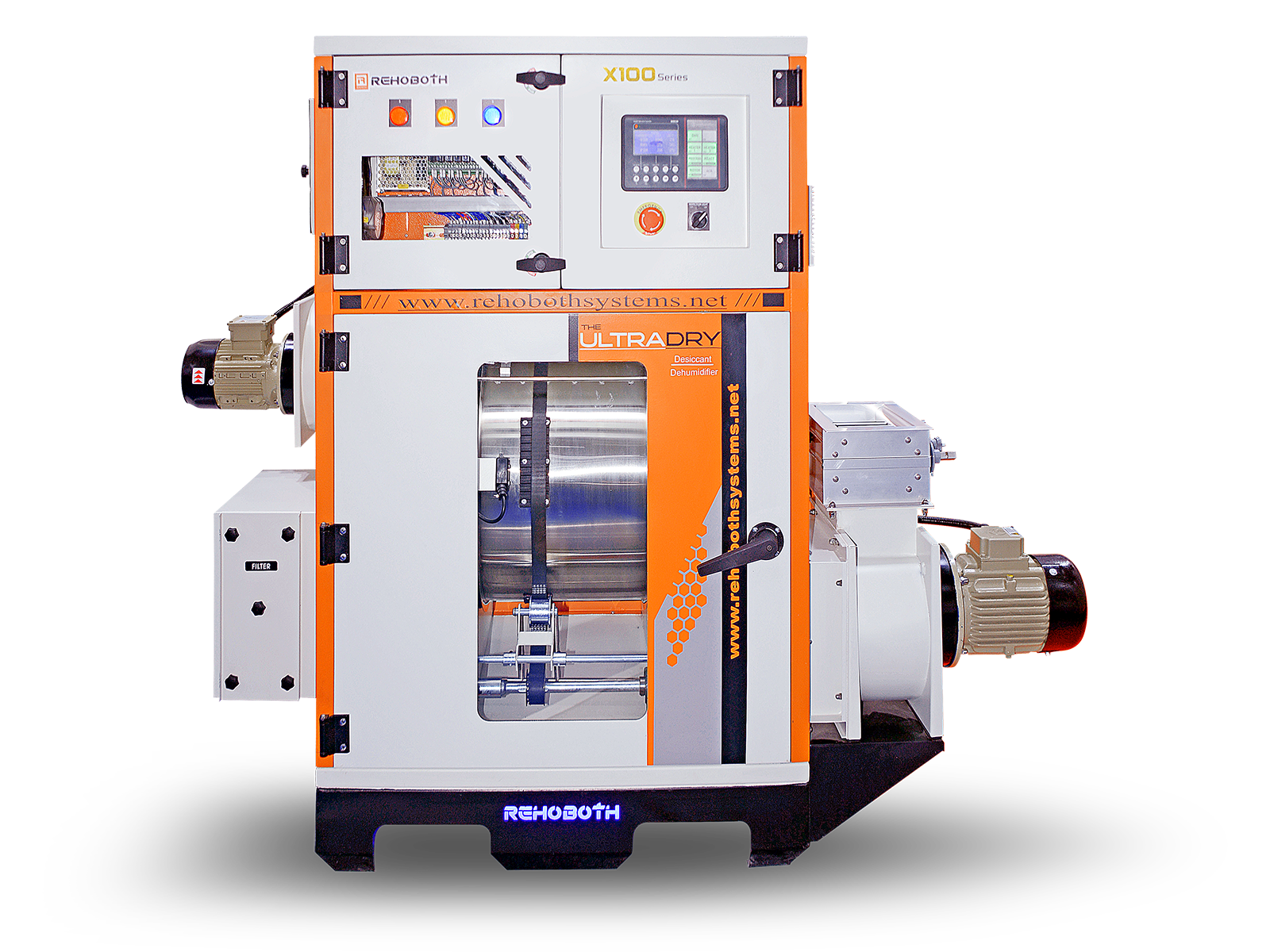
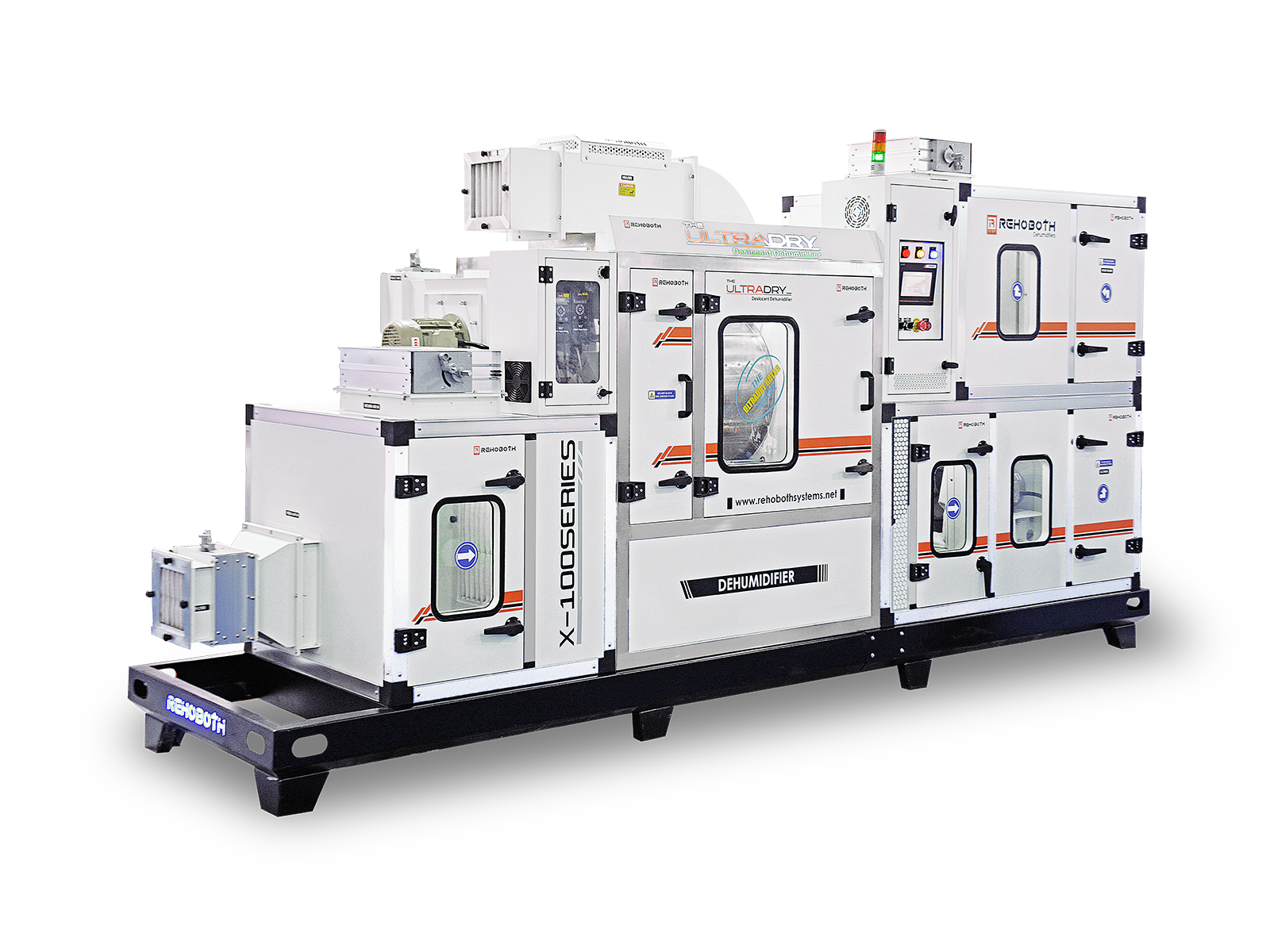
For archival applications, desiccant dehumidifiers are hands-down the superior choice. Here’s why: they can maintain that crucial 20-40% RH range with ±2% precision, even at the low temperatures required for film and photographic storage. Compressor units, on the other hand, become increasingly ineffective below 59°F (15°C)- exactly when you need them most for cold storage applications.
But the real game-changer is energy efficiency. Modern desiccant systems with energy-recovery wheels can cut operating costs by up to 45%, a figure that was proven in a 2024 University of Helsinki Library retrofit. When you’re running climate control 24/7/365, those savings add up fast.
The key to successful desiccant dehumidification lies in proper installation and consistent maintenance. This means:
Here’s a real-world success story that illustrates the impact: A university library that retrofitted their archives with a rotary desiccant system in 2024 reported not only those impressive 45% energy savings, but also zero mold incidents in the year following installation. Compare that to their previous three years, which saw four separate mold outbreaks requiring professional remediation.
The upfront investment in quality desiccant dehumidification pays for itself through reduced energy costs, eliminated emergency interventions, and- most importantly- the preservation of irreplaceable materials that simply can’t be valued in dollars and cents.
Let me share a story that perfectly encapsulates why this all matters. In 2024, a small community heritage museum in rural Vermont was facing a crisis. Their collection of local historical documents, photographs, and artifacts- spanning over 200 years of community history- was deteriorating rapidly due to inconsistent environmental conditions in their aging building.
The museum’s director, Sarah Chen, had watched helplessly as family photographs donated by local residents began showing signs of mold damage during particularly humid summer months, while winters brought their own problems as the dry indoor air caused paper documents to become brittle and crack.
“We were losing pieces of our community’s story every season,” Chen recalls. “These weren’t just documents to us- they were the threads that connected our present to our past.”
The solution came in the form of a solar-powered desiccant dehumidification system, part of a growing trend toward sustainable preservation technology. The system maintains a steady 45% RH year-round, with fluctuations of less than 3%- well within the strict tolerances required for mixed-media collections.
The results speak for themselves:
But perhaps most importantly, the museum has been able to expand its community outreach programs, confident that the materials they’re sharing with local schools and researchers will be preserved for future generations.
“Our new humidity control system isn’t just a machine,” Chen explains. “It’s a promise to future generations that our story will endure.”
As we look toward the future, several exciting trends are emerging in archival preservation:
Whether you’re managing a world-class museum, a university special collections library, or a family archive in your basement, the principles remain the same: consistent, precise humidity control is non-negotiable for long-term preservation.
Here’s your action plan:
The truth is, we’re not just preserving paper and photographs- we’re safeguarding human knowledge, cultural heritage, and the irreplaceable stories that connect us to our past and guide us toward our future. In an age of digital everything, there’s something profoundly important about maintaining these physical connections to history.
Every document saved, every photograph preserved, every artifact protected is a victory against the relentless march of time. And with today’s advanced humidity control technology, that victory is more achievable than ever before.
The question isn’t whether you can afford to implement proper humidity control- it’s whether you can afford not to. Because once these materials are gone, they’re gone forever. But with the right environmental conditions, they can last for centuries, continuing to educate, inspire, and connect future generations to the rich tapestry of human experience.
Your archives deserve nothing less than the best protection available. The technology exists, the knowledge is proven, and the time to act is now. Because preserving the past isn’t just about looking backward- it’s about ensuring that future generations have the resources they need to understand where they came from and where they’re going.
Master Humidity Control in Archival Storage to prevent mold, cracking, and energy waste- practical strategies ensure your heritage survives efficiently and affordably.
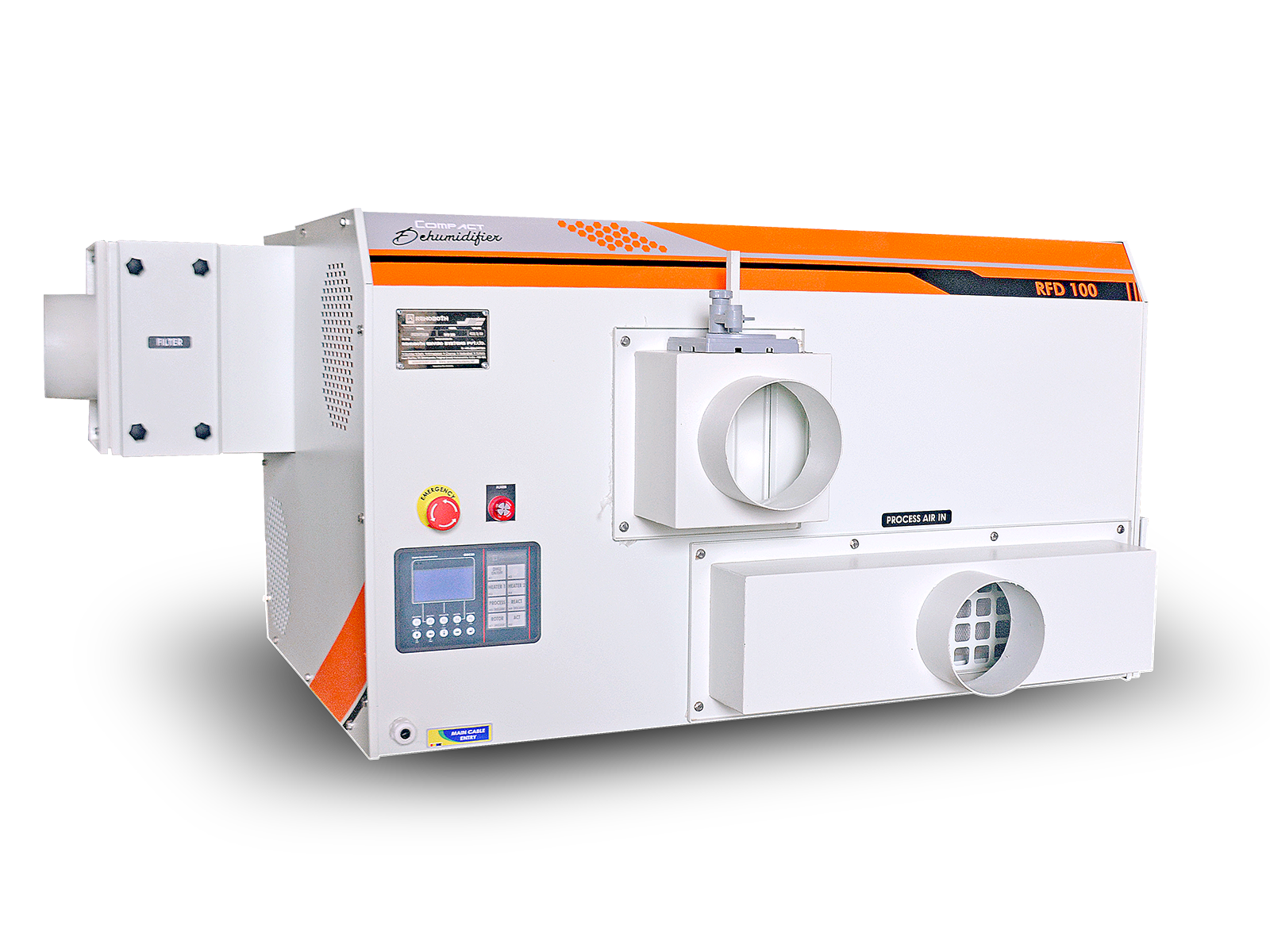
Ensure every batch meets spec- achieve low, stable RH for APIs, coatings, and cleanrooms with Rehoboth’s pharma‑ready desiccant dehumidifiers. Speak to an engineer for a tailored solution and audit‑ready documentation. REHOBOTH at Email- sales@rbdeh.com, cmnarang@gmail.com / Phone- +91 9811 599 922.
Your Trusted Partner in Temperature and Humidity Control Solutions